Introduction
Building a profitable niche blog has never been more accessible—or more competitive. The barrier to entry is now lower than ever: you don't need expensive tools, years of experience, or a massive upfront investment. What you do need is the right strategy and access to AI-powered tools that can help you work smarter, not harder.
In 2026, artificial intelligence has fundamentally transformed how successful bloggers approach content creation, SEO optimization, and monetization. Instead of spending months researching keywords or weeks writing articles, entrepreneurs are leveraging AI to compress workflows from months into weeks, and weeks into days. The question isn't whether AI can help you build a profitable niche blog—it's whether you'll use it to stay competitive while others are left behind.
This guide walks you through exactly how to build a niche blog that generates real revenue, using AI at every stage. You'll discover the strategic framework that separates profitable blogs from those that struggle, the AI tools that accelerate growth, and the specific monetization methods that actually work in today's market.
Table of contents
Choose your profitable niche strategically
Choosing the right niche is the foundation of a profitable blog. Many aspiring bloggers make the critical mistake of picking a niche they're passionate about without considering its profit potential. Passion alone doesn't pay bills—intersection of passion, expertise, and demand does.
A profitable niche has three key characteristics: (1) it addresses a specific audience with a genuine problem, (2) people in that niche actively spend money on solutions, and (3) there's enough search volume to sustain consistent traffic. For example, "productivity tools for remote teams" is more profitable than "productivity tips in general" because the former targets a specific, spending-ready audience.
How to identify high-profit niches
Start by analyzing search intent and monetization potential. Use AI-enhanced research tools to examine your target keywords—look for commercial intent indicators like "best," "review," "comparison," and "how to buy." These keywords signal that searchers are ready to make purchasing decisions. A niche built around keywords with high commercial intent will generate revenue far more easily than one built purely on informational queries.
Look at existing competitors in your potential niche. If successful blogs and businesses already operate there, it's a good sign that money flows through that niche. Research what they're monetizing: affiliate products, digital courses, software subscriptions, coaching services, or physical products. Your niche selection should enable at least 2-3 viable revenue streams from day one.
Validate your niche before investing heavily
Before committing months to building a blog, validate your niche choice. Create 5-10 flagship articles targeting your core keywords and monitor their performance for 30-60 days. If you're generating at least some organic traffic and engagement, you've found a viable niche. If traffic is stagnant after two months, it's time to pivot before you've invested significant time.
Consider the niche's longevity too. Avoid trendy topics that might become irrelevant within 12-24 months. Instead, choose evergreen niches where demand remains consistent: personal finance, health optimization, professional skill development, entrepreneurship, and hobby-specific topics typically offer reliable, long-term demand.
Pro Tip: Use Google Trends alongside keyword research tools to identify niches with stable or growing search interest. Avoid niches showing declining trends—they might be shrinking markets where profit becomes harder each year.
Leverage AI for rapid content creation and optimization
The content creation pipeline is where AI delivers the most dramatic productivity gains. In 2026, sophisticated AI systems can generate high-quality, research-backed content that requires only light editing from a human expert. This doesn't mean publishing AI-generated content as-is—it means using AI to handle 60-70% of the writing burden while you focus on strategy, expertise, and quality control.
The most effective approach combines AI content generation with human oversight. AI excels at: researching and synthesizing information, generating multiple content variations quickly, optimizing content for readability and SEO, and scaling production without proportional cost increases. Humans excel at: adding genuine expertise and unique insights, ensuring factual accuracy, understanding nuanced reader intent, and maintaining authentic brand voice.
Using AI to generate and scale content production
Platforms like Zerpia Blog AI enable you to generate entire blog posts from a single prompt, complete with structure, headers, and optimized sections. Instead of spending 4-6 hours writing one article from scratch, you can generate a solid draft in 15-20 minutes, then spend 30-45 minutes refining it with your expertise and unique insights. This 10x productivity multiplier means one person can produce 10-15 publishable articles monthly instead of 2-3.
The workflow looks like this: (1) identify your target keyword and audience intent, (2) provide the AI tool with your unique angle or expertise, (3) generate the initial draft, (4) edit for accuracy, voice, and unique value, (5) optimize for your target keyword and user experience. The result is content that combines AI efficiency with human authenticity—the best of both worlds.
Creating content variations for multiple channels
AI makes it economical to create variations of your core content for different platforms. One in-depth 2,000-word article can become: three shorter 600-word explainer posts, five 100-word social media snippets, one email sequence, and one video script outline. With AI, creating these variations takes 2-3 hours instead of 15-20 hours of manual work.
This multiplies your content's reach and reinforces your key messages across channels. Readers encountering your core topic on social media might follow to your blog. Blog readers might subscribe to your email list for related content. YouTube viewers might discover your affiliate recommendations. Each channel feeds the others, creating a virtuous cycle of visibility and authority building.
For more strategic guidance on generating unlimited content ideas consistently, check out our detailed guide on how to generate unlimited content ideas with AI tools—it includes frameworks for maintaining a 6-month content calendar with minimal planning overhead.
Pro Tip: Create a content template system for your niche. Define your blog's structure (intro length, section count, CTA placement, etc.) and feed these templates into your AI tool. Consistent structure speeds up editing and trains readers to navigate your content predictably.
Master SEO and drive consistent organic traffic
Content creation means nothing without traffic. A profitable blog in 2026 is built on a foundation of consistent organic search traffic. While paid advertising can provide quick wins, organic traffic compounds—the more content you publish, the more entry points Google has to send you traffic, and the stronger your domain authority becomes.
Effective SEO for niche blogs combines keyword research, on-page optimization, and strategic internal linking. The goal isn't ranking for ultra-competitive keywords (you'll lose against established authority domains). Instead, target long-tail keywords with moderate to low competition but clear commercial intent. A niche blog ranking #1 for 100 long-tail keywords generates more traffic and revenue than ranking #10 for one competitive keyword.
AI-powered keyword research and content optimization
AI SEO tools have become essential for niche bloggers. Rather than manually analyzing hundreds of keywords, AI can: identify untapped keyword opportunities in your niche, assess competition realistically, predict ranking difficulty, and suggest content angles that balance traffic potential with ranking feasibility.
Zerpia SEO AI provides keyword research, content scoring, and on-page optimization suggestions—allowing you to publish content with confidence that it's properly optimized before it even gets indexed. This approach saves months of experimentation and wasted content that never ranks.
The key is publishing fewer articles that rank, rather than more articles that languish in search results. Quality over quantity applies directly to SEO success: one well-optimized article ranking #1 generates more traffic than three mediocre articles ranking #30-50.
Building topical authority in your niche
Search engines increasingly reward topical authority—when a site comprehensively covers a specific topic area. In 2026, Google's algorithm particularly favors sites that demonstrate deep expertise in a narrow niche. This means your 20 articles thoroughly covering "remote team management software" outrank a competitor's 100 articles on "general business productivity."
Structure your blog around core topics, then build supporting content around each. Create a pillar article (2,500+ words) on your core topic, then create 5-8 cluster articles exploring specific subtopics, each internally linking back to the pillar. This structure signals to Google that you're an authority on that topic cluster.
| SEO Strategy | Effort Level | Traffic Impact | Ranking Timeline | Zerpia Tool |
|---|
| Long-tail keyword targeting | Low | Moderate (but consistent) | 4-8 weeks | Zerpia SEO AI |
| Pillar-cluster content structure | Medium | High (cumulative) | 8-12 weeks | Zerpia SEO AI + Blog AI |
| Internal linking optimization | Low | Moderate | 2-4 weeks | Zerpia SEO AI |
| Competitor content gaps | Medium | High (if well-executed) | 6-10 weeks | Zerpia SEO AI |
| Regular content updates | Low | Moderate (preserves rankings) | Ongoing | Zerpia Blog AI |
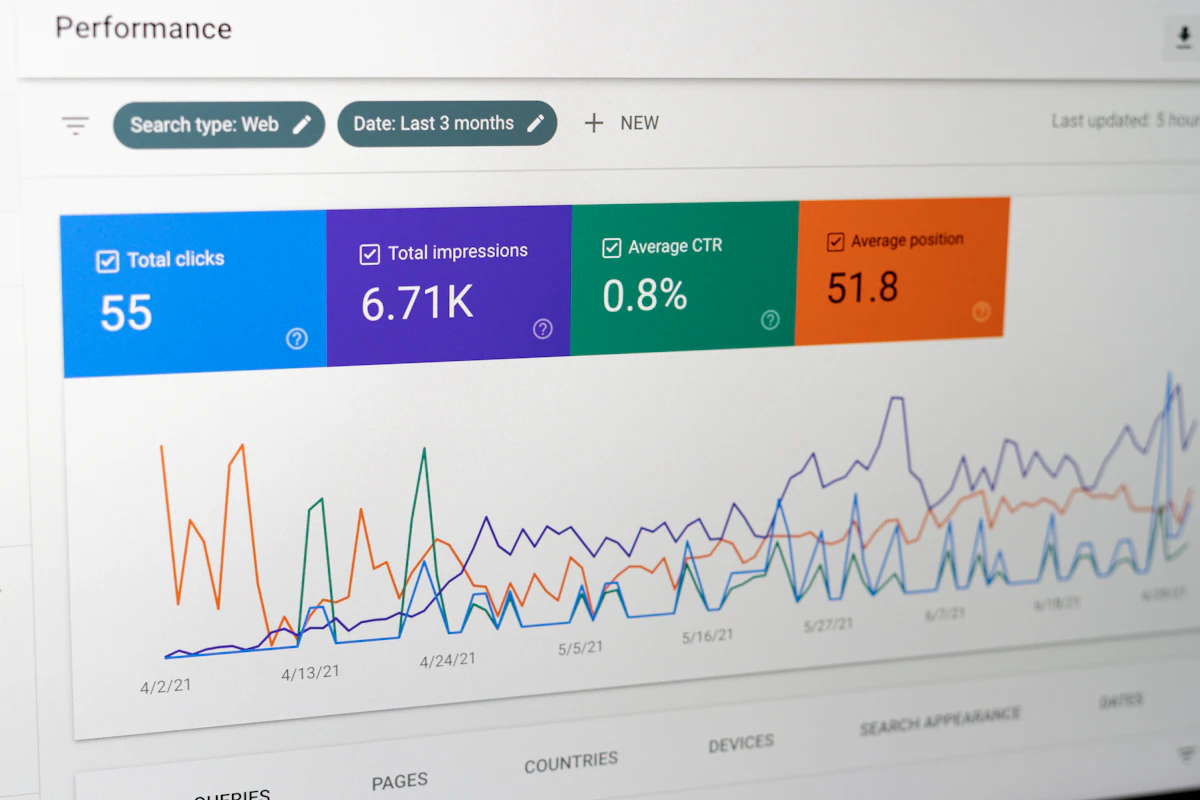
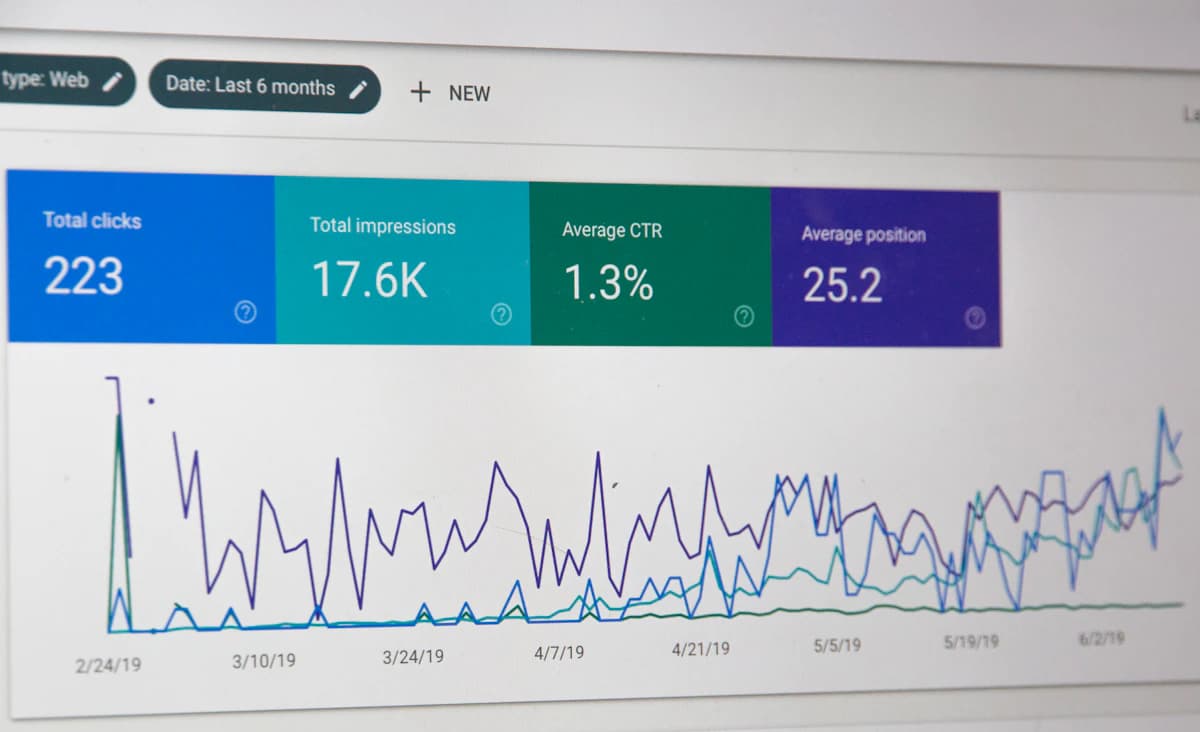
Use Google Search Console and your AI SEO tools to identify which keywords drive traffic, which pages underperform, and where opportunities exist. A niche blog's SEO strategy should be continuously refined based on actual performance data. If an article targets a keyword but consistently ranks #15-20, consider whether to optimize it further or redirect efforts to easier-to-rank keywords.
Track these metrics monthly: organic traffic, keyword rankings, click-through rate from search results, average session duration, and conversions from organic traffic. These data points tell you whether your SEO strategy is working or needs adjustment. Many profitable blogs achieve 60-80% of traffic from organic search after 12 months of consistent optimization.
Build multiple revenue streams on your niche blog
A blog generating $1,000 USD monthly from one revenue source is fragile. One algorithm change or market shift threatens your income. A blog generating $1,000 USD monthly from five different sources is resilient—if one stream declines, the others maintain your base revenue while you adapt.
The primary revenue streams for niche blogs
Affiliate marketing typically becomes a niche blog's first revenue stream. You recommend products or services your readers genuinely need, and earn 5-50% commission on sales. The key is promoting products you've actually tested and believe in. A niche blog about home automation might earn $2,000-5,000 USD monthly in affiliate commissions from recommending the best smart home systems, security setups, and automation platforms. Affiliate income requires no inventory, customer support, or significant overhead—just authentic recommendations.
Digital products (courses, templates, guides, software tools) typically generate higher margins than affiliate marketing. A $47 USD online course with a 2% conversion rate on 10,000 monthly visitors generates $9,400 USD monthly revenue. Unlike affiliate commissions (which fluctuate based on partner terms), digital product revenue is entirely yours. The effort lies in creating the product initially, but then it generates passive income indefinitely.
Sponsored content and advertising represent another revenue stream. Brands in your niche pay $500-5,000 USD+ per sponsored article (depending on your traffic and authority). A blog receiving 50,000 monthly visitors might attract 2-4 sponsorship opportunities monthly, generating $1,000-20,000 USD in additional monthly revenue.
Email list monetization leverages your most engaged readers. An email list of 5,000 engaged subscribers in a commercial niche can monetize through: recommending affiliate products, promoting your digital products, sending sponsored messages, or developing exclusive content for paying subscribers ($10-50 USD/month).
Service offerings (consulting, freelance work, done-for-you services) represent the highest-leverage revenue stream. A niche blog establishes authority and trust that attracts clients. A consultant in business automation might charge $150-300 USD/hour and fill 20-30 billable hours monthly purely from blog traffic and authority—generating $3,000-9,000 USD monthly revenue.
Revenue diversification timeline
| Revenue Stream | Startup Time | Monthly Revenue Potential | Effort to Maintain | Scalability |
|---|
| Affiliate marketing | 2-3 months | $500-3,000 USD | Low | High (add more products) |
| Digital products | 2-4 months | $1,000-10,000 USD+ | Medium | Very high |
| Sponsored content | 4-6 months | $1,000-5,000 USD | Low | Medium (limited sponsors) |
| Email monetization | 3-5 months | $500-2,000 USD | Low | Medium |
| Service offerings | 3-6 months | $3,000-15,000 USD+ | High | High (premium pricing) |
Most profitable blogs generate revenue from all five sources simultaneously. A successful niche blog generating $10,000 USD monthly might earn: $3,000 USD from affiliate marketing, $4,000 USD from digital products, $1,500 USD from sponsorships, $800 USD from email, and $700 USD from occasional consulting referrals. This diversification makes the business resilient and creates multiple compounding growth vectors.
Automate and scale your blog operations
Once you've established content production, traffic generation, and initial revenue, the path to substantial profitability runs through automation and systems. A blog that requires 30 hours weekly of your personal time tops out at your hourly rate. A blog that runs on systems and automation scales beyond your time limitations.
AI-powered content systems
Your content creation should operate on a documented system that doesn't require your constant involvement. Define: target keywords (researched quarterly), content pillars (fixed topical areas), publication schedule (consistent day/frequency), editing checklist (consistent quality standards), and optimization process (SEO standards to meet before publishing).
Using AI tools like Zerpia Blog AI within this system multiplies your team's output. One writer with AI assistance can produce 30-40 articles monthly. Two writers with AI can produce 60-80. You're not replacing human expertise—you're amplifying it, allowing your team to focus on quality, accuracy, and unique insights rather than mechanical writing tasks.
Email automation and subscriber nurturing
An automated email sequence converts blog readers into subscribers, and subscribers into customers. When someone reads an article on your blog, an email automation system should: (1) invite them to subscribe with a relevant lead magnet, (2) send a welcome sequence (3-5 emails over one week) introducing your best content and offerings, (3) send weekly content updates keeping them engaged, (4) periodically promote affiliate products and digital offerings.
This system, once built, generates revenue 24/7 without daily management. An email list of 10,000 subscribers with a 20% engagement rate sending weekly promotions can generate $500-2,000 USD monthly from modest affiliate commissions and product promotions.
Customer relationship management for affiliate and service income
As your blog scales, manage relationships with: affiliate partners, sponsorship inquiries, service clients, and digital product customers. A simple CRM system (Pipedrive, HubSpot's free tier, or similar) tracks opportunities and ensures nothing falls through cracks. An opportunity you miss costs real revenue—automating opportunity management prevents this.
Pro Tip: Batch your administrative work into one 2-hour weekly block rather than handling tasks throughout the week. Respond to sponsorship inquiries, process affiliate applications, and manage customer emails all at once. This boundaries-based approach preserves deep work time for strategy and content quality.
Outsourcing and team building
Once your blog generates consistent monthly revenue exceeding $3,000-5,000, USD hire freelance editors, writers, or SEO specialists to augment your output. Many profitable blogs operate with: one full-time owner managing strategy and revenue, one freelance writer producing 8-10 articles monthly, and one part-time email/admin manager handling list growth and customer communications.
This team structure lets you maintain a $10,000 USD+ monthly blog while working 20-25 hours weekly. The blog's revenue, after contractor costs, still provides substantial income while allowing you to pursue other projects or take on consulting clients.
Ready to launch your profitable niche blog with AI?
Building a profitable niche blog in 2026 is absolutely achievable—but it requires the right tools and strategy. AI handles the mechanical aspects of content creation and optimization, freeing you to focus on strategy, monetization, and audience building. Zerpia's suite of AI tools—particularly Zerpia Blog AI for content generation and Zerpia SEO AI for optimization—enables you to compress what once took six months into 60 days.
Start your free trial →
Start building your authority today
Building a profitable niche blog is absolutely within reach in 2026—the tools exist, the frameworks work, and the market opportunities are real. Your competitive advantage lies not in having more time or resources than competitors, but in using AI tools strategically to compress your timeline and multiply your output. Check out our comprehensive Blog AI service to see exactly how AI content generation can accelerate your niche blog's path to profitability. The first step is often the hardest—but it's also the most important.