SEO16 min read
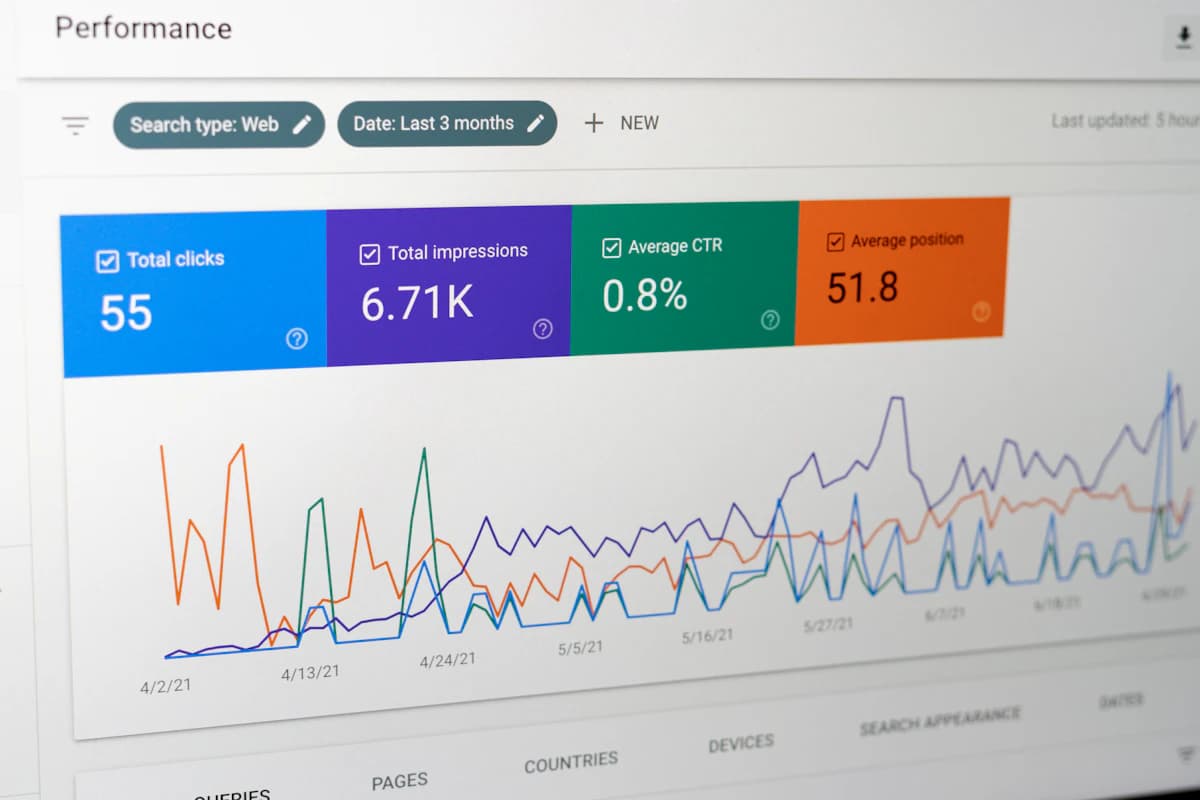
Key AI blog performance metrics to track and measure
Master AI blog performance metrics in 2026. Track traffic, engagement, conversions, and AI-specific metrics to optimize your content strategy and ROI.


Published on March 10, 2026
In 2026, AI-generated content has become one of the most effective strategies for driving organic traffic at scale. The landscape has matured significantly—search engines now recognize quality AI content when it's properly optimized and genuinely valuable to readers. The question is no longer whether you should use AI to generate content, but how to do it strategically so that your content ranks, engages, and converts.
Organic traffic is the lifeblood of sustainable business growth. It's free, qualified, and compounds over time. Yet producing enough high-quality content to compete remains one of the biggest challenges for entrepreneurs and marketing teams. AI-generated content solves this: it accelerates production, reduces costs, and—when done right—delivers search engine results that drive consistent visitor growth.
This guide shows you exactly how to leverage AI-generated content for SEO success, the tools that matter most, and the tactics that actually work in 2026.
The perception of AI-generated content has fundamentally shifted since the early days of the technology. In 2026, major search engines have evolved their ranking algorithms to focus less on how content was created and more on whether it actually serves user intent. Google, Bing, and other platforms have made clear: AI-generated content is acceptable when it demonstrates expertise, authoritativeness, trustworthiness, and genuine value.
The market data reflects this acceptance. According to industry reports, approximately 73% of businesses now incorporate AI into their content strategy to some degree. Content teams report a 40–60% reduction in time spent on first drafts when using AI tools, while maintaining or improving quality metrics. This isn't because AI writes perfectly; it's because AI accelerates the iteration process and handles routine writing tasks, freeing humans to focus on strategy, research, and refinement.
What's changed most significantly is the sophistication of the AI models themselves. Modern systems understand semantic relationships, topical authority, and user experience signals in ways that earlier generations didn't. They can generate content that naturally incorporates keywords, answers related questions, and maintains consistent voice—all factors that search engines reward.
For organic traffic growth, this means you can now publish more frequently, cover more subtopics within your niche, and reach long-tail keywords that individually might drive small amounts of traffic but collectively build significant momentum. When you're covering 50 relevant topics with quality content instead of 5, your entire site's authority and visibility compounds.
Understanding how search engines treat AI-generated content is critical to success. The evaluation process has become quite nuanced, and it's not a binary "AI bad, human good" assessment.
Search engines now prioritize E-E-A-T: Experience, Expertise, Authoritativeness, and Trustworthiness. AI content that demonstrates clear expertise performs well. This means:
An AI-generated article about small business accounting that includes specific tax figures, references to IRS publications, and examples from actual business scenarios will rank higher than one that discusses accounting in vague, generic terms—regardless of who wrote it.
Search engines increasingly measure how users interact with content. Pages that generate high click-through rates, long dwell time, and low bounce rates signal quality. AI-generated content that is:
...will perform well because users engage with it, and that engagement signals quality to search algorithms.
The one area where AI content falters without human oversight is factual accuracy and nuance. AI language models are prone to hallucination—stating information with confidence even when it's incorrect. Any AI-generated content for SEO should pass through human review to verify:
This isn't about making the content sound more human; it's about making it more accurate and more valuable.
Pro Tip: Assign a subject matter expert to review AI-generated content before publication. They should verify facts, add specialized insights, and ensure the piece reflects your actual experience in the industry. This review step—typically 15–20 minutes per article—is where AI content transforms from competent to authoritative.
Generating content with AI is the first step. Optimizing it for organic reach requires strategy. Here are the tactics that drive measurable results.
Before you write a single word, you need a keyword strategy. AI content is most effective when it targets the right keywords—ones with search volume, reasonable competition, and clear commercial or informational intent.
Use tools like Zerpia SEO AI to identify keyword opportunities within your niche. Look for clusters of related keywords: if "sustainable packaging solutions" is your main target, you'll find related keywords like "eco-friendly packaging for e-commerce," "sustainable packaging costs," and "brands using sustainable packaging." AI can then generate comprehensive content around this cluster, naturally incorporating variations and related terms.
The advantage of AI here is speed. A human writer might research and write one in-depth article per week. With AI, you can research a keyword cluster, generate 3–5 related articles in the same timeframe, and own multiple positions on the search results page for the same topic.
AI excels at creating well-structured content, but you need to guide it. The best-performing articles follow proven structures:
When you feed these structural guidelines to AI tools, they produce content that search engines find easy to crawl and categorize. Semantic optimization—including related terms, synonyms, and question variations naturally throughout the content—happens naturally in well-structured content.
For example, if your target keyword is "AI-generated content SEO," an optimized structure would include sections that naturally cover:
This gives you multiple entry points for users searching slight variations of your main keyword.
One of the most powerful organic traffic strategies involves creating topic clusters—groups of related articles that all link back to a pillar article.
Imagine your pillar article is "The complete guide to AI marketing tools." Supporting cluster articles might be:
Each cluster article links to the pillar, and the pillar links to each cluster article. This internal linking structure tells search engines that you have comprehensive coverage of your main topic, which boosts rankings for your primary keyword while also getting cluster articles to rank for long-tail variations.
AI makes this strategy much faster to execute. You can outline 8–10 related subtopics, generate the content for each, and implement the linking structure in a fraction of the time it would take a human team.
Pro Tip: Use Zerpia SEO AI to identify keyword clusters and content gaps within your topic area. This ensures you're creating articles that fill real search demand, not just articles for the sake of publishing. The data-driven approach eliminates guesswork and ensures every piece of AI-generated content has a purpose.
Search engines reward fresh content. In 2026, the expectation is that authoritative sites regularly update their content to reflect new information, data, and perspectives.
AI makes this significantly easier. Rather than manually rewriting articles every six months, you can prompt AI to:
An article that was published two years ago might still rank, but updating it with 2026 data, current tools, and fresh examples will boost its ranking and user engagement.
Set a quarterly review schedule. Every three months, select your 10–15 highest-traffic articles and refresh them with AI assistance. A 20% refresh—new statistics, additional examples, updated recommendations—signals freshness to search engines and keeps users coming back.
The real power of AI-generated content for organic traffic comes from building a repeatable, scalable workflow. Here's how successful teams structure this:
| Stage | Task | Tools | Output timeline |
|---|---|---|---|
| Planning | Keyword research and content calendar creation | Zerpia SEO AI, spreadsheet | Week 1 of cycle |
| Generation | AI content drafting based on outlines | Zerpia Blog AI | 2–3 days |
| Review | Fact-checking, tone refinement, adding insights | Human expert | 2–3 days |
| Optimization | SEO optimization, internal linking setup | Zerpia SEO AI | 1 day |
| Publishing | CMS upload, metadata, scheduled distribution | WordPress, email platform | 1 day |
| Promotion | Social sharing, internal email, link building | Social platform, email | Ongoing |
This pipeline allows a single marketer to oversee 4–8 articles per month while maintaining quality. With a team of two, you're looking at 15–20+ articles monthly.
The quality of AI-generated content depends heavily on the prompts you provide. Vague prompts generate vague content. Specific, detailed prompts generate better results.
A weak prompt: "Write about AI content for SEO."
A strong prompt: "Write a 2,000-word article targeting the keyword 'AI-generated content SEO' for marketing managers at mid-sized B2B SaaS companies. Include real statistics about AI adoption, a comparison table of AI writing tools, three concrete strategies with examples, and at least one case study. Maintain a professional but approachable tone. Assume the reader is skeptical about AI quality but interested in efficiency gains."
The strong prompt produces more focused, relevant, and useful content on the first draft. It reduces revision rounds and gets you closer to publication-ready material faster.
If you're working with a team, version control becomes important. Use Google Docs, Notion, or similar platforms to track:
This creates accountability and makes it easy to identify what's working (certain article types, structures, keyword categories) and what isn't. Over time, you'll refine your process based on performance data.
Many teams start with AI content and watch quality decline as they scale. The fix is to maintain a consistent review and optimization process even as volume increases.
One approach: Create an editorial guideline document that all AI drafts must follow. Include sections on:
Have all reviewers use this guideline as their checklist. This ensures consistency across 50 articles or 500 articles.
For scaling strategies more broadly, check out How to scale your business with AI tools without increasing costs, which covers operational approaches to maintaining quality as your AI implementation grows.
Publishing content is only half the battle. You need metrics to understand what's working and where to adjust.
At minimum, track these metrics monthly:
| Metric | Target | Frequency | Tool |
|---|---|---|---|
| Organic sessions | +20% quarterly | Monthly | Google Analytics 4 |
| Keywords ranking | Top 10 (3+ per article) | Weekly | SEMrush, Ahrefs |
| Avg keyword position | Improve 2–3 positions/quarter | Weekly | SEMrush |
| Top pages by traffic | Identify patterns | Monthly | GA4 |
| Conversion rate from organic | Track by content type | Monthly | GA4 + CRM |
| Content ROI | Track production cost vs. revenue | Monthly | Spreadsheet |
Use this data to inform your next quarter of content strategy. If articles about specific topics consistently underperform, reduce investment there. If certain article types consistently drive conversions, double down on that format.
Even with a solid strategy, several common mistakes can undermine your AI content SEO efforts.
The biggest mistake is publishing AI content without substantial human review. AI is prone to subtle errors: outdated information stated with confidence, logical gaps in argumentation, or claims that sound plausible but aren't accurate.
Solution: Build in mandatory human review. For every AI-generated article, have someone with expertise in the topic read it before publication. This person should verify statistics, test recommendations, and ensure the article actually solves the reader's problem.
Older AI models sometimes produced text that was awkward or over-optimized for keywords. Modern models are better, but the temptation to "optimize harder" remains.
Solution: Focus on natural readability first. Keywords should appear naturally, but your primary goal is writing for humans. If a sentence sounds awkward because you forced in a keyword, rewrite it. Search engines reward natural, readable content over keyword-dense content.
Quantity matters for SEO, but quality matters more. Five excellent, comprehensive articles outrank fifty mediocre ones.
Solution: Quality gates before publishing. Don't publish an article until it has been reviewed, optimized, and truly improved. Set a minimum standard: must cite sources, must include at least one data point or statistic, must be at least 1,500 words if targeting competitive keywords. Publish fewer articles that meet these standards rather than more articles that don't.
Search engines reward topical authority—being deeply knowledgeable about a specific area. Publishing AI content randomly across unrelated topics dilutes your authority.
Solution: Create a strategic content map. Identify 2–3 core topics your business is known for. Create 80% of your content around these topics. This builds authority faster than scattered content. Your AI-generated content should deepen your expertise in your chosen niches, not broaden randomly.
Publishing content is not a "set it and forget it" activity. Content performance decays over time as newer articles are published and search algorithms evolve.
Solution: Implement a content refresh schedule. Every quarter, review your top 20 traffic-generating articles and update them with new data, recent examples, and any changed information. This signals freshness to search engines and keeps users finding current, relevant information.
AI-generated content is one of the most powerful tools in your SEO arsenal, but only when implemented strategically. With the right approach—keyword research, human review, proper optimization, and consistent measurement—you can reliably drive organic traffic growth without overwhelming your team.
Zerpia's suite of tools makes this process faster and more effective. Zerpia SEO AI helps you identify keyword opportunities and optimize every piece of content before publication, while Zerpia Blog AI accelerates content generation. Together, they create the foundation for a scalable, high-performing organic traffic engine.
Driving organic traffic with AI-generated content in 2026 is no longer an experiment—it's a proven strategy for growth when executed properly. The combination of AI-powered content generation, strategic SEO optimization, and consistent human oversight creates a sustainable engine for long-term organic growth.
Whether you're launching your first content strategy or scaling an existing one, the principles remain the same: research thoroughly, create strategically, optimize deliberately, and measure religiously. Explore how Zerpia SEO AI can accelerate your content optimization and help you build the organic traffic engine your business needs to grow.
Zerpia Editorial Team / César Solar
AI Solutions Architect |25+ years transforming businesses with technology
The Zerpia editorial team combines expertise in development, integrations, and digital strategy to produce rigorous, actionable technical content. Our goal is to help businesses and entrepreneurs understand and leverage AI as a real competitive advantage.
Master AI blog performance metrics in 2026. Track traffic, engagement, conversions, and AI-specific metrics to optimize your content strategy and ROI.
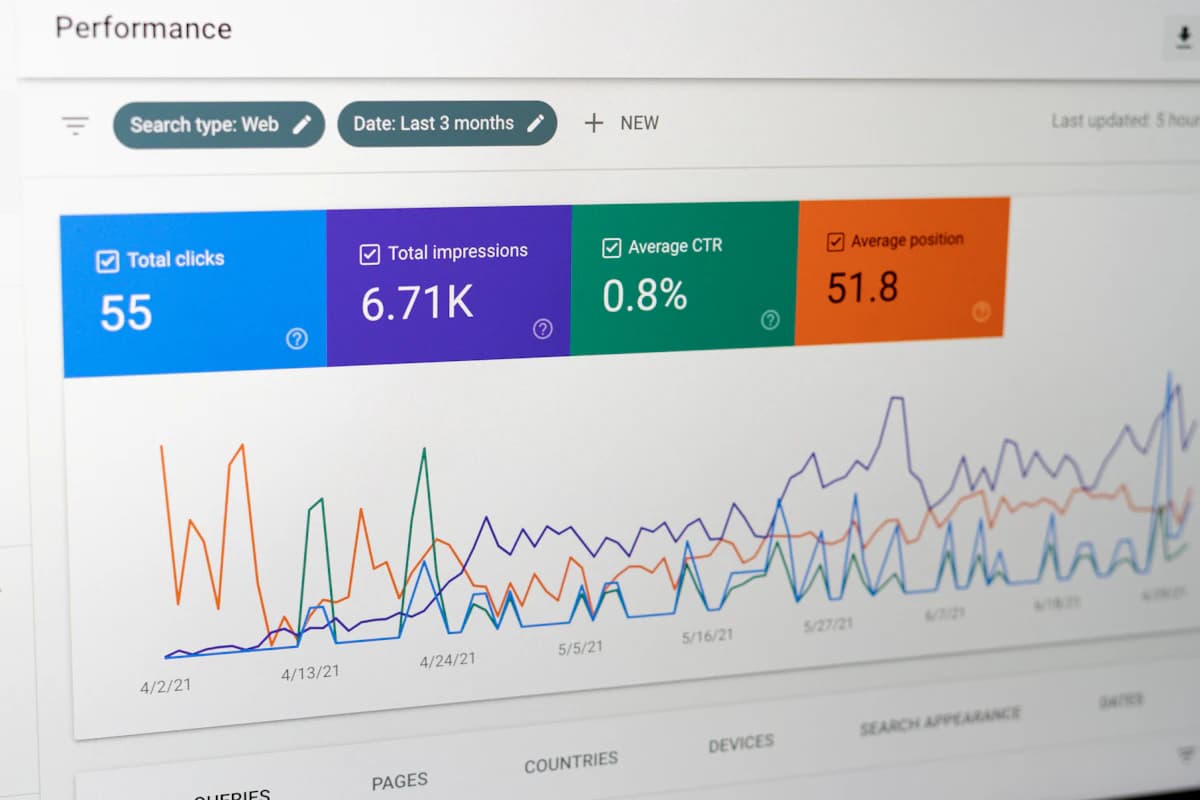
Learn how to build domain authority with AI-generated content in 2026. Strategic content clusters, SEO optimization, and backlink building for faster rankings.

Semantic SEO AI helps search engines understand context, not just keywords. Learn how AI boosts rankings by recognizing topical depth and user intent in 2026.
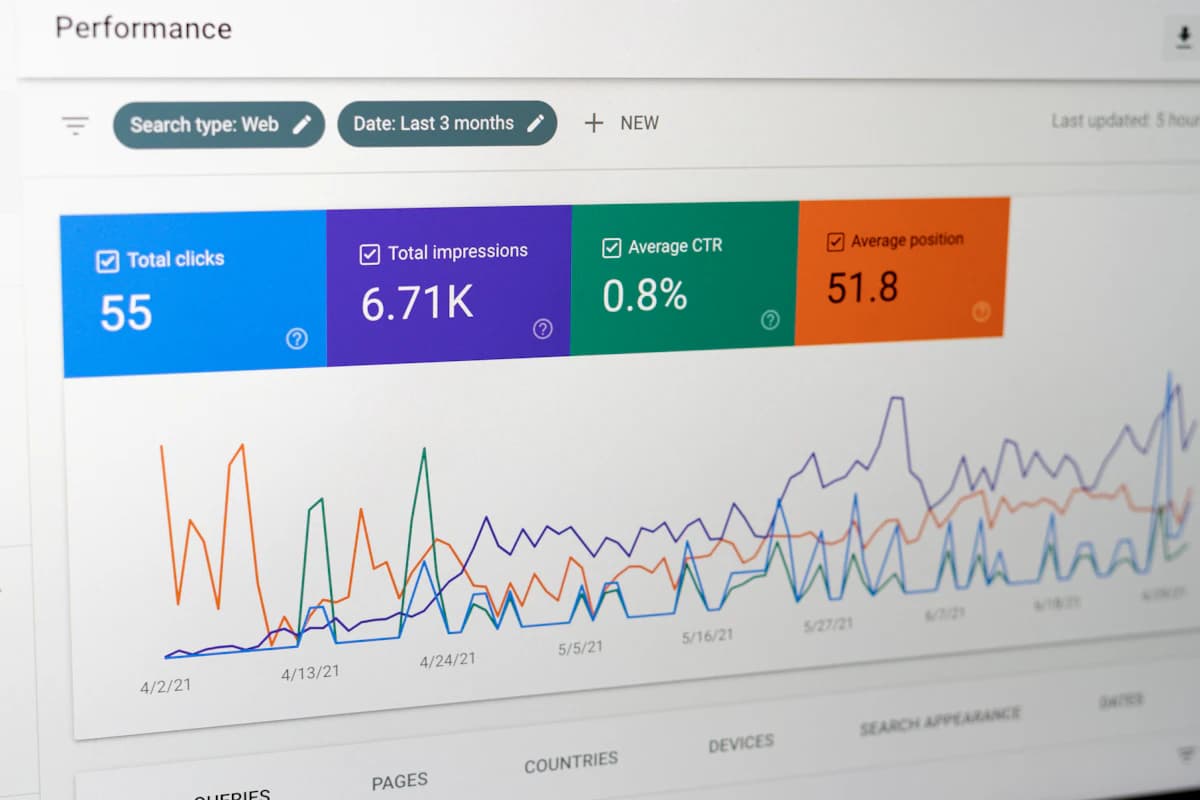
Learn how AI SEO ranking strategies help you outrank competitors in 2026. Discover keyword research, content optimization, and algorithm adaptation powered by machine learning.
Share article