Marketing16 min read
How to create an automated sales funnel with AI tools
Learn how to build a fully automated sales funnel with AI tools in 2026. Complete guide covering lead capture, scoring, nurturing, and optimization for maximum conversions.


Published on March 27, 2026
Generating qualified leads remains one of the most pressing challenges for businesses in 2026. While traditional lead generation methods—cold calls, generic email campaigns, and paid ads with broad targeting—continue to produce results, they're increasingly inefficient and costly. An intelligent chatbot changes this equation entirely.
An intelligent chatbot doesn't just answer questions; it qualifies prospects in real-time, captures intent signals, and routes high-potential leads directly to your sales team. By leveraging AI technology, chatbots can engage visitors 24/7, ask qualifying questions based on conversational context, and deliver personalized responses that move prospects through your sales funnel faster than human agents ever could.
In this guide, we'll explore exactly how to leverage an intelligent chatbot to generate qualified leads, the features that matter most, and practical strategies you can implement immediately. Whether you're a SaaS company, e-commerce business, or professional services firm, you'll discover how AI-powered chatbots are transforming lead generation in 2026 and beyond.
The landscape of digital marketing has shifted dramatically. Today's buyers expect instant responses—and they're willing to abandon websites that force them to wait for human support. A 2025 industry report found that 68% of online visitors will leave a website if they don't receive a response within 60 seconds. An intelligent chatbot eliminates that friction entirely.
Beyond speed, chatbots excel at qualification. Traditional lead capture forms ask generic questions and treat all submissions equally. An intelligent chatbot, powered by natural language processing (NLP) and machine learning, understands context. It can identify budget constraints, decision-making authority, timeline urgency, and pain points during a single conversation—the exact signals that determine whether a prospect is truly qualified.
The financial case is compelling. A typical customer service representative costs $30,000 USD–$50,000 USD annually in salary, benefits, and training. An intelligent chatbot solution like Zerpia AI Chatbot, meanwhile, starts at a fraction of that cost while providing 24/7 availability. Consider this: if your business generates 100 leads per month at a $15 USD cost per lead (typical for digital advertising), you're spending $1,500 USD monthly just to capture names and emails. With an intelligent chatbot handling qualification simultaneously, you reduce wasted follow-up time by 40–60%, translating to direct savings in your sales department's labor costs.
Artificial intelligence has matured enough that even small businesses can deploy sophisticated chatbots without deep technical expertise. In 2026, the gap between enterprise-grade and SMB-friendly chatbot solutions has narrowed dramatically. What once required six months and $50,000 USD in custom development can now be implemented in days with pre-built AI solutions. This democratization means qualified lead generation at scale is no longer a privilege of large corporations.
Not all chatbots are created equal. A generic chatbot that simply answers FAQs won't generate qualified leads. You need specific features designed to identify, engage, and qualify prospects effectively.
The foundation of any qualified lead generation chatbot is its ability to qualify through conversation. Instead of a static form asking "What's your budget?", an intelligent chatbot asks open-ended questions that feel natural. It might start with "What challenges are you facing with your current solution?", then follow up with targeted questions based on the response.
This approach accomplishes two critical objectives: it keeps prospects engaged (conversation feels less invasive than forms), and it extracts richer qualification data. A prospect who says "We lose 30% of orders due to cart abandonment" reveals more than someone who selects "$100K USD–$500K USD" from a budget dropdown.
An intelligent chatbot monitors intent signals—words, phrases, and patterns that indicate a prospect is moving toward purchase. If someone asks "What does implementation look like?", they're further along the sales cycle than someone asking "What problem do you solve?" The chatbot should route these high-intent prospects differently, perhaps triggering an immediate notification to your sales team or offering a demo booking link.
Prospects interact with businesses across multiple channels: your website, social media, email, and messaging apps. A truly intelligent chatbot operates seamlessly across these touchpoints. A prospect who starts a conversation on your website should be able to continue that conversation via WhatsApp or Facebook Messenger without repeating information. This integrated experience dramatically improves qualification because the chatbot builds a complete profile across all interactions.
The chatbot must feed directly into your CRM and automatically score leads based on qualification criteria you define. This automation ensures no qualified lead falls through the cracks due to human oversight. If a prospect matches your ideal customer profile—indicated by specific answers during the chat—the system should automatically assign a high score, trigger email sequences, and alert sales.
| Feature | What it does | Why it matters for qualification |
|---|---|---|
| Conversational qualification | Asks contextual questions based on responses | Extracts richer data than forms; feels natural to prospects |
| Intent recognition | Identifies buying signals in conversation | Routes high-intent leads to sales immediately |
| Multi-channel integration | Operates across website, social, email, messaging | Captures prospects wherever they engage; builds complete profiles |
| CRM sync and lead scoring | Automatically updates CRM; assigns scores | Prevents qualified leads from being missed; prioritizes sales effort |
| Sentiment analysis | Detects frustration, satisfaction, urgency | Flags at-risk prospects; identifies expansion opportunities |
| A/B testing | Tests different conversation flows | Continuously improves qualification rates |
| API connectivity | Connects to your existing tools (payment processors, scheduling software, etc.) | Enables seamless handoffs; reduces friction |
Pro Tip: Start with a narrow qualification framework—maybe just three questions: industry, company size, and primary pain point. Once your chatbot learns which answers correlate with deals, you can expand and refine the qualification logic.
Deploying a chatbot and generating qualified leads through it requires strategy, not just technology.
Before the chatbot can qualify anyone, you need clarity on what "qualified" means for your business. A qualified lead for a $5,000 USD SaaS solution differs vastly from a qualified lead for a $50,000 USD enterprise software implementation.
Work with your sales team to identify specific criteria:
Document these criteria explicitly. Your chatbot will use them to guide conversation flow and qualification scoring.
Clunky chatbots that bombard prospects with rapid-fire questions drive people away. A qualified lead generation chatbot should feel like talking to a knowledgeable colleague, not a survey.
Structure conversations like this:
For example:
This flow feels conversational and extracts critical qualification data: they have a specific problem, they have budget (they're looking at pricing), and they acknowledge the cost (time investment).
You don't need all qualification data in one conversation. Progressive profiling means the chatbot learns about a prospect over multiple interactions, adding details gradually. This approach reduces friction and improves engagement rates.
First visit: "What's your biggest challenge?" Second visit (via email nurture): "What size is your team?" Third visit: "What's your timeline for a solution?"
This spread-out approach feels less intrusive and gives your sales team complete profiles by the time they engage.
Not all qualified leads are equally qualified. A prospect with a clear pain point, budget available next quarter, and decision-making authority deserves immediate sales attention. A prospect exploring options without urgency can be nurtured through email and content.
Your chatbot should implement lead scoring logic that assigns points for qualification signals:
Leads scoring 50+ points trigger immediate sales follow-up. Leads scoring 25–49 enter a nurture sequence. Leads below 25 receive educational content and are re-engaged later.
Pro Tip: Use Zerpia AI Chatbot's native scoring system to automate this process entirely. The platform learns which conversation patterns correlate with closed deals and adjusts scoring automatically, getting smarter over time.
Understanding what you can realistically expect from a qualified lead generation chatbot helps set proper expectations and identify opportunities for optimization.
A well-configured chatbot typically achieves a 35–50% chat initiation rate (visitors who start a conversation). Of those, 70–85% complete a multi-turn conversation, meaning they answer at least 3–4 questions before disengaging. By comparison, form submission rates average 5–15% on most websites.
A financial services company deployed Zerpia AI Chatbot on their homepage and saw:
The shift alone increased raw lead volume by 240%.
This is where the real value emerges. Not all leads are equal. A chatbot that qualifies prospects means your sales team spends less time on unqualified prospects and more time closing deals.
Consider a B2B SaaS company that previously generated 200 leads monthly:
The qualified lead generation chatbot didn't just increase volume; it improved accuracy and reduced wasted sales time by 40%.
Don't expect immediate results. A chatbot needs 2–4 weeks of interaction data to optimize conversation flows. By week 3–4, you'll see engagement metrics stabilize. By week 8–12, you'll have sufficient data to measure conversion impact accurately.
Let's calculate ROI for a typical mid-market company:
| Cost Element | Monthly Cost |
|---|---|
| Zerpia AI Chatbot (mid-tier) | $299 USD |
| Implementation and training (one-time, amortized) | $150 USD |
| Sales time saved (2 hours/day × 20 days × $50 USD/hour) | $2,000 USD saved |
| Net monthly cost | -$1,551 USD |
This calculation assumes conservative outcomes: 2 hours of sales time freed daily simply because the chatbot pre-qualifies leads. Many businesses report 3–4 hours of savings as qualification improves.
A plumbing and HVAC company generating around 300 leads monthly from local Google Ads and review sites wanted to improve conversion. They implemented an intelligent chatbot configured to:
Results after 90 days:
This example demonstrates that qualified lead generation isn't just about volume; it's about efficiency, timing, and relevance.
For businesses focusing on local markets, understanding how AI-powered tools enhance location-based strategies is crucial. Our guide on Local SEO with AI: A complete guide for physical businesses covers strategies that pair perfectly with chatbot lead generation for geographically-targeted businesses.
The businesses winning in 2026 aren't just generating more leads—they're generating better leads, faster. An intelligent chatbot powered by modern AI doesn't replace your sales team; it multiplies their effectiveness by handling qualification at scale and 24/7. Zerpia's AI Chatbot platform is purpose-built for this exact workflow, with native CRM integration, lead scoring, and multi-channel support that lets you implement qualified lead generation in days, not months.
Qualified leads are the foundation of predictable revenue growth. An intelligent chatbot transforms your website from a static information repository into an active sales assistant that qualifies prospects 24/7, captures intent signals, and routes high-potential deals directly to your team. The combination of instant engagement, conversational qualification, and automated lead scoring creates a lead generation engine that operates at a fraction of the cost of traditional methods.
In 2026, the competitive advantage belongs to businesses that automate qualification without sacrificing personalization. Zerpia's AI Chatbot platform provides the exact capabilities you need to generate qualified leads at scale. Your next step? Implement it and watch your sales team's efficiency transform.
Zerpia Editorial Team / César Solar
AI Solutions Architect |25+ years transforming businesses with technology
The Zerpia editorial team combines expertise in development, integrations, and digital strategy to produce rigorous, actionable technical content. Our goal is to help businesses and entrepreneurs understand and leverage AI as a real competitive advantage.
Learn how to build a fully automated sales funnel with AI tools in 2026. Complete guide covering lead capture, scoring, nurturing, and optimization for maximum conversions.
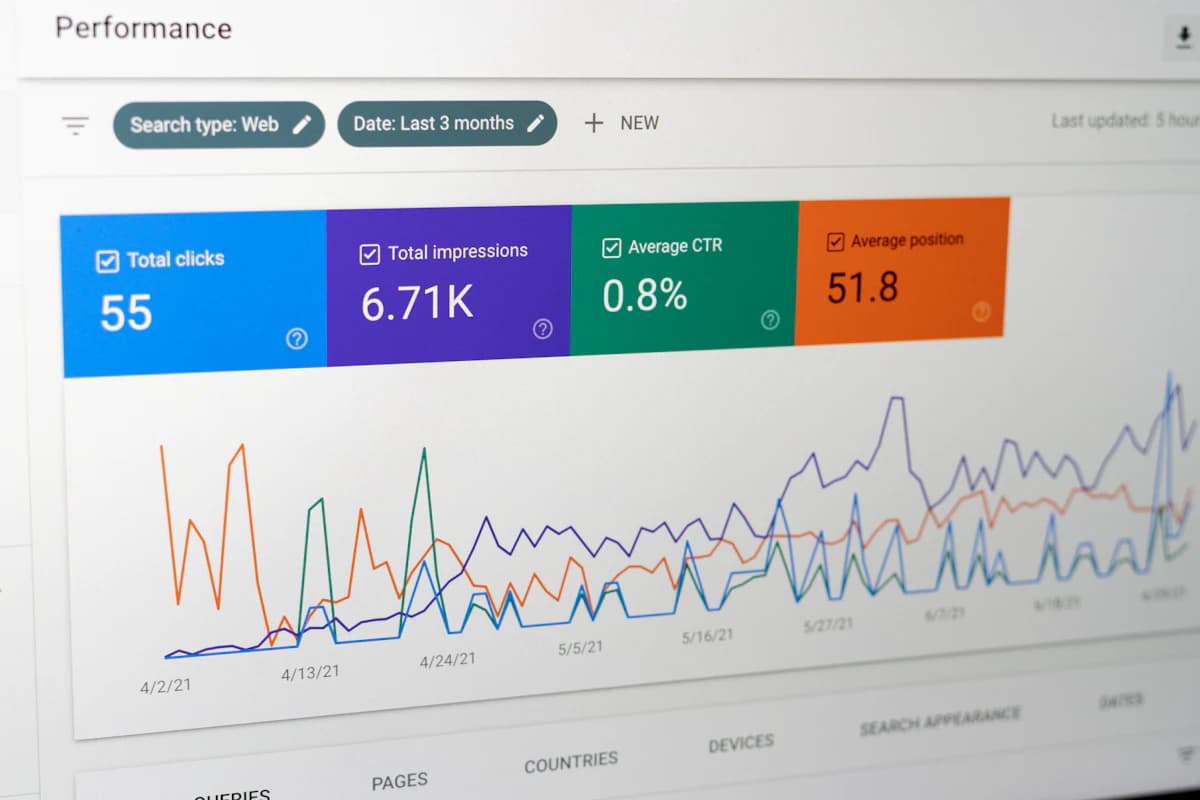
Learn how to build a profitable niche blog with AI in 2026. Strategy, tools, content creation, SEO, and revenue streams for sustainable income.

Master AI content idea generation in 2026. Discover how AI tools generate unlimited content ideas, identify audience gaps, and scale your publishing pipeline efficiently with proven strategies and real-world examples.
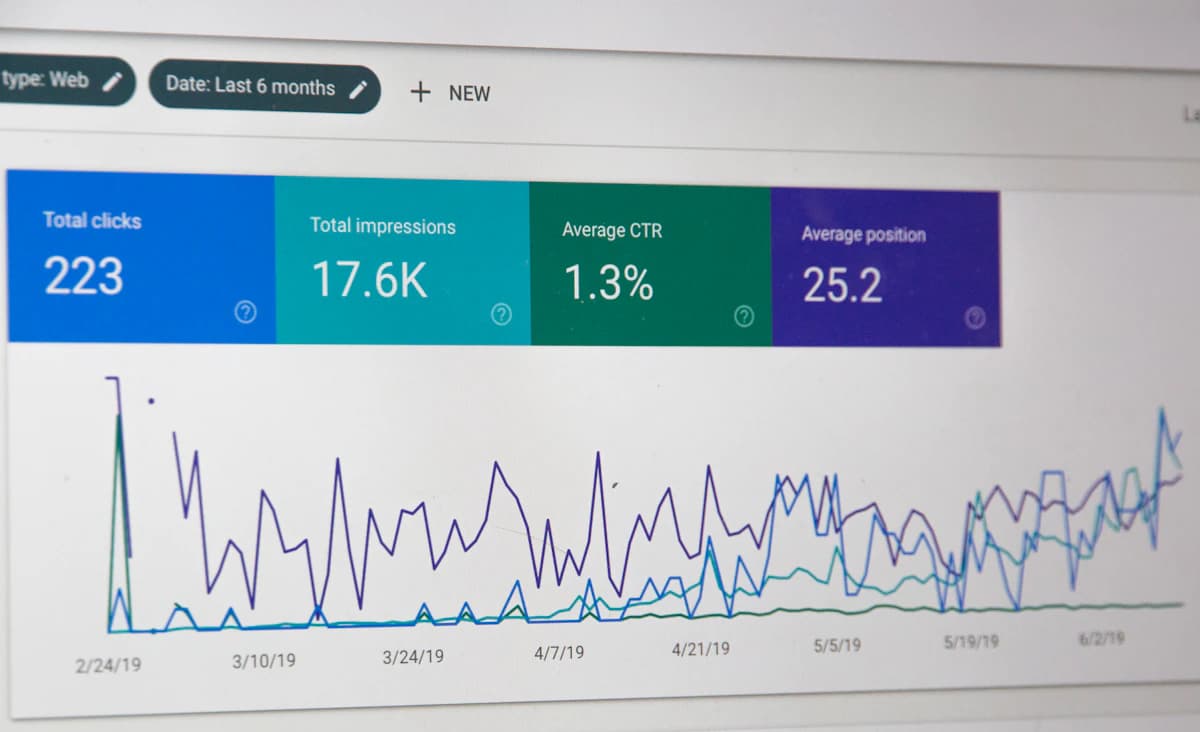
Master multilingual content strategy with AI in 2026. Learn to create, optimize, and scale content across multiple languages and markets efficiently with practical frameworks and tools.
Share article