Ranking higher on Google isn't just about having good content anymore—it's about being smarter, faster, and more strategic than your competitors. In 2026, artificial intelligence has become the game-changer that separates businesses dominating search results from those struggling to be found. An effective AI SEO ranking strategy combines machine learning, data analysis, and intelligent automation to identify opportunities your competitors are missing, optimize content at scale, and adapt faster to algorithm changes.
If you're wondering how to stay ahead in search, you're asking the right question. Most businesses still rely on outdated SEO tactics that take months to show results. AI-powered tools analyze millions of data points, predict user behavior, and suggest optimizations in real-time. This isn't just incremental improvement—it's a fundamental shift in how SEO works. In this article, we'll explore how AI can transform your ranking strategy, what specific tactics work in 2026, and which tools can give you the competitive edge you need.
AI-powered keyword research and competitive analysis
Traditional keyword research takes weeks. You manually search for terms, estimate difficulty, and check what competitors are ranking for—all through separate tools. AI changes this entirely. Machine learning algorithms now analyze search intent, seasonal trends, and competitor strategies simultaneously, surfacing high-potential keywords you'd never discover manually.
How AI discovers hidden keyword opportunities
AI-powered keyword research tools examine billions of search queries and identify patterns humans miss. They recognize long-tail variations, emerging search trends, and niche keywords with lower competition but genuine buyer intent. For example, if you're in the SaaS space, AI can detect that searches like "AI SEO ranking strategy for startups" are growing 15% month-over-month while "traditional SEO methods" are declining, helping you pivot your content strategy accordingly.
The intelligence goes deeper. AI analyzes not just search volume and difficulty, but semantic relationships between terms. It understands that "best project management software" and "alternative to Monday.com" have different buyer intents—one is broad discovery, the other is comparison-driven. This distinction directly impacts which keywords you should prioritize for conversions versus awareness.
Competitive analysis at the speed of AI
Your competitors' ranking strategies are no longer hidden. AI tools scan competitor websites, backlink profiles, content structures, and ranking histories to identify exactly which tactics drive their success. Instead of manually checking competitor sites monthly, AI monitors them continuously and alerts you to changes: new content published, backlinks gained, ranking movements, and technical improvements.
Real-world example: An e-commerce brand discovers that their competitor just published a comprehensive 5,000-word guide on "sustainable fashion trends 2026." Traditional SEO might react by creating something similar. AI analysis reveals the article is ranking for only 12 keywords, has poor internal linking, and targets search intent that's shifting toward price-comparison queries. The AI recommends creating a more targeted piece on "affordable sustainable clothing brands" instead—a tighter match to current demand. Result: the AI-informed content ranks faster and drives more qualified traffic.
Pro Tip: Use AI keyword research to identify "competitor content gaps"—topics your competitors rank for but haven't covered comprehensively. Create superior content on these topics and you'll inherit their traffic while they're focused elsewhere.
Intelligent content optimization at scale
Creating ranking-worthy content at speed is the bottleneck most businesses face. You can identify the perfect keywords, but actually producing optimized content takes time and resources. AI solves this by automating research, outlining, optimization analysis, and even first-draft generation—letting your team focus on strategy and unique insights rather than busywork.
AI-powered content creation and SEO scoring
Tools using Zerpia Blog AI generate data-driven content outlines based on top-ranking competitors and search intent signals. The system analyzes the top 10 search results for your target keyword, extracts their structure, identifies which topics they cover, and recommends a superior architecture for your content. It then scores your draft against SEO best practices: keyword density, readability, heading structure, internal linking opportunities, and engagement potential.
This isn't basic templating. Modern AI understands E-E-A-T (experience, expertise, authoritativeness, trustworthiness) requirements for different industries. A financial services article gets different optimization recommendations than a lifestyle blog post. The AI adapts its framework to your niche, suggesting authoritative data citations, expert perspectives, and trust signals specific to your industry.
Real-time content performance scoring
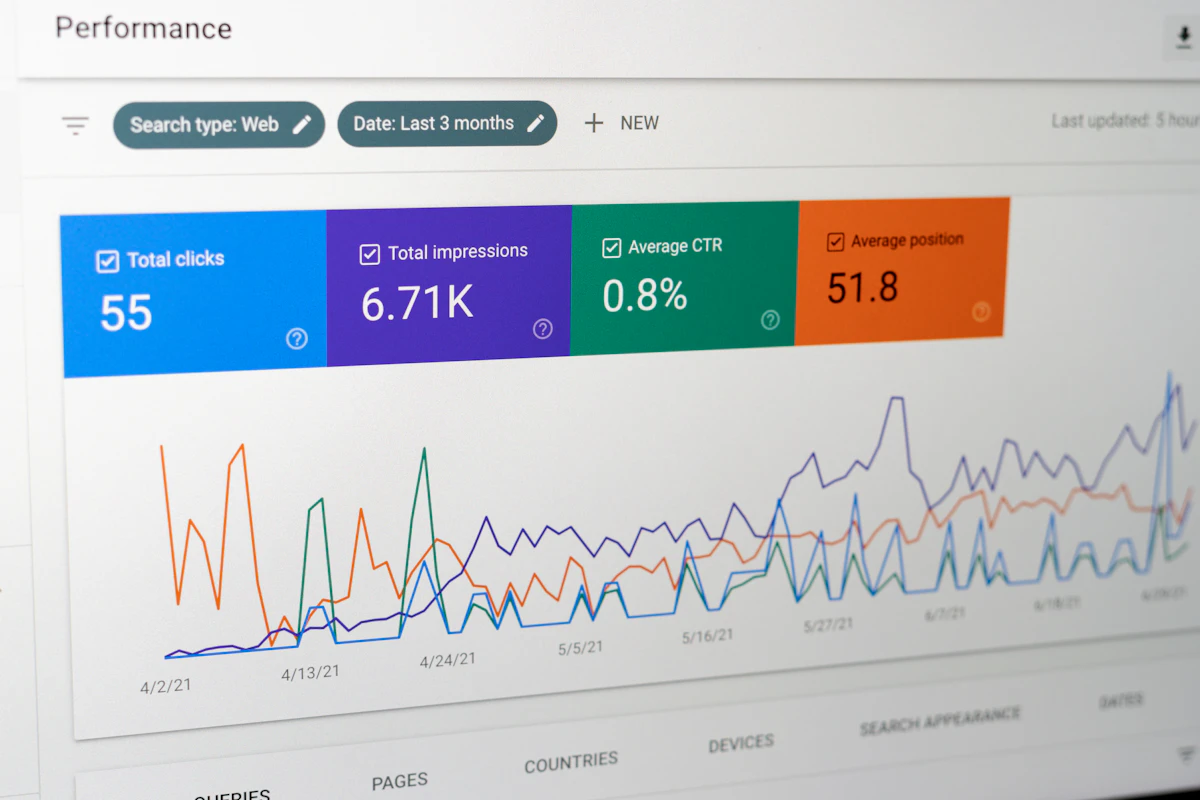
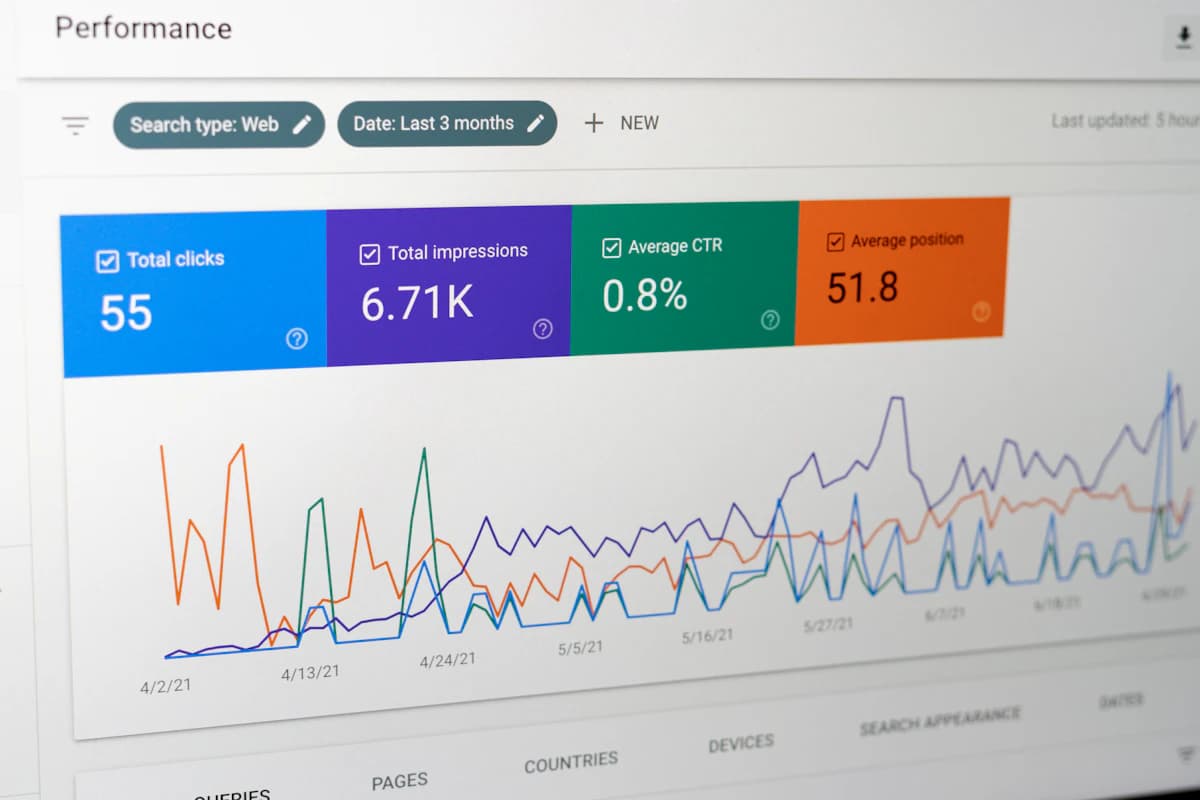
Once published, AI tracks how your content performs against keywords and competitors. It measures ranking position, click-through rate, dwell time, and engagement metrics—then automatically suggests optimization opportunities: add a data visualization here, restructure this section for better readability, add internal links to related content, or refresh outdated statistics. You don't wait for quarterly reviews; you get actionable insights weekly.
Structurally superior to competitors before writing
On-page optimization
Manual checklist review
Automated scoring (0-100)
Eliminate guesswork; hit >85/100 scores consistently
Internal linking
Manual identification
AI suggests relevant related content
3-4x more internal links with better relevance
Meta descriptions
Written manually
AI-generated with CTR optimization
15-20% higher click-through rates
Content updates
Quarterly reviews
Monthly AI-triggered recommendations
Stay ahead of competitor changes faster
Real-time ranking monitoring and algorithm adaptation
Google updates its ranking algorithm hundreds of times per year. Some updates are minor; others reshape search results dramatically. The businesses that win in 2026 aren't the ones that react to algorithm changes—they're the ones that predict and adapt before Google officially announces updates.
Predictive ranking analytics
AI systems monitor ranking fluctuations across thousands of keywords and correlate them with hundreds of ranking factors. When a significant pattern emerges—perhaps sites with shorter load times suddenly rank higher, or pages with video content gain positions—the AI identifies this shift before official confirmation. Your team can then adjust strategy proactively rather than reactively.
Consider this scenario: Your brand ranks #5 for a target keyword worth $50,000 USD in annual search traffic. A Google update rolls out, and you drop to #12. Traditional monitoring shows you the drop; AI analysis reveals why. It identifies which factor shifted: perhaps your competitor added an FAQ schema, or added 800 more words, or improved their Core Web Vitals score from 85 to 95. The AI prioritizes which change matters most for recovery, suggesting you focus on Core Web Vitals first, then content expansion, then schema implementation. You recover ranking in 3 weeks instead of 3 months because you're fixing the right problems in the right order.
Continuous A/B testing at scale
Rather than testing one page element at a time, AI orchestrates hundreds of micro-experiments simultaneously. It tests different title tags, meta descriptions, content lengths, heading structures, and internal linking strategies across similar pages, measuring impact on rankings and click-through rates. The system identifies winning patterns and rolls them out systematically across your entire site.
Technical SEO automation
AI audits your entire website's technical foundation daily: crawlability, mobile-friendliness, page speed, SSL security, structured data, XML sitemaps, and internal linking structure. It doesn't just identify issues; it suggests fixes, prioritizes by impact (a Core Web Vitals issue affecting 500 pages gets higher priority than a canonical tag issue affecting 5 pages), and can even automate implementations like redirects, schema markup generation, and mobile optimization adjustments.
Pro Tip: Enable continuous technical monitoring in your AI tool and set alerts for ranking drops >3 positions on keywords driving >100 monthly clicks. This early warning system lets you address issues before they become serious ranking threats.
AI-driven user experience and engagement signals
Google's ranking algorithm increasingly rewards user experience. Metrics like click-through rate, dwell time, bounce rate, and return visitor frequency now directly influence rankings. AI helps you optimize for these signals by predicting what headlines, layouts, and page experiences will engage searchers best.
Predictive user behavior and engagement optimization
AI analyzes how different user segments interact with search results and content. It predicts whether a particular headline will attract clicks from search engines or be skipped. For instance, "AI SEO ranking strategy" might get high click-through from informational searchers, while "AI vs. traditional SEO: 2026 benchmarks" attracts more commercial intent searchers. AI recommends headlines based on your content's actual value and target audience, increasing click-through rates by 20-40%.
Within your content, AI identifies sections where users typically bounce and suggests improvements: adding visual breaks, restructuring dense paragraphs, inserting relevant examples, or pulling key statistics into highlighted boxes. The goal is keeping readers engaged longer, signaling to Google that your content is genuinely valuable.
Personalization and dynamic content
AI enables dynamic content that adapts to individual users. Returning visitors see different content than first-time visitors. Users from different geographic locations or industries see localized examples. This personalization increases dwell time and return visit rates—both ranking signals. A software company's article about "AI SEO tools" might show case studies relevant to the reader's industry, increasing relevance and engagement.
Conversion optimization powered by ranking success
Ranking higher means nothing if traffic doesn't convert. AI analyzes which ranking positions, page layouts, and content structures drive conversions best. It might identify that your #3 position converts at 8% while your #1 position converts at only 4%—meaning your #3 position is actually more valuable. This insight reshapes your content strategy: focus on keywords where you rank 3-5 and have room to climb, rather than fighting for #1 on keywords where conversion intent is weak.
Ready to outrank your competitors with AI?
The competitive advantage in search rankings now belongs to businesses using AI strategically. Whether you're optimizing keyword strategy, scaling content production, monitoring technical health, or measuring user engagement, Zerpia's SEO AI tools integrate seamlessly into your workflow, providing the real-time intelligence you need to outrank competitors consistently. Stop guessing about what works and start making data-driven decisions that directly impact your rankings and revenue.
AI Solutions Architect |25+ years transforming businesses with technology
The Zerpia editorial team combines expertise in development, integrations, and digital strategy to produce rigorous, actionable technical content. Our goal is to help businesses and entrepreneurs understand and leverage AI as a real competitive advantage.
Optimize your e-commerce product pages with AI in 2026. Learn keyword research, content optimization, technical SEO, and competitive analysis strategies to boost organic traffic and conversions.
Semantic SEO AI helps search engines understand context, not just keywords. Learn how AI boosts rankings by recognizing topical depth and user intent in 2026.