
SEO16 min read
Semantic SEO AI: How AI understands context and boosts your rankings
Semantic SEO AI helps search engines understand context, not just keywords. Learn how AI boosts rankings by recognizing topical depth and user intent in 2026.


Published on May 2, 2026
In 2026, the consulting landscape is more competitive than ever. Clients don't just want your expertise—they want proof of it. An SEO blog has become the most powerful tool for consultants to build credibility, attract qualified leads, and establish thought leadership in their niche. But creating consistent, high-quality content at scale is a challenge that stops most consultants from committing to blogging long-term.
That's where AI-powered content creation changes everything. With the right strategy and tools, you can publish SEO-optimized articles that rank, engage your audience, and convert readers into clients—without spending hours writing. This guide shows you exactly how to build an SEO blog for your consulting business using AI in 2026, from planning your content calendar to optimizing every article for search engines. Whether you're just starting or scaling an existing blog, you'll learn the tactics that top consultants are using to dominate search results and position themselves as industry leaders.
The digital marketing landscape has shifted dramatically, yet SEO blogging remains one of the highest-ROI marketing channels for consultants. In 2026, search engines continue to drive qualified traffic—in fact, 68% of online experiences begin with a search engine. For consultants specifically, organic search has proven more effective than paid advertising because prospects who find you through SEO are actively looking for solutions you provide.
When a potential client searches "business strategy consultant for startups" or "digital transformation consulting," your blog post appearing on the first page isn't luck—it's strategy. SEO blogging builds authority with both search engines and your target audience. Google's algorithms reward websites that consistently produce helpful, original content. Each well-optimized blog post you publish is another door Google can send qualified traffic through.
Beyond rankings, your blog becomes a trust-building machine. Prospects read your insights, see your expertise in action, and arrive at your contact page already convinced you understand their problems. This dramatically shortens your sales cycle and increases conversion rates. A consultant with a strong blog attracts inbound leads—warm prospects who choose to reach out rather than cold outreach. For most consulting firms, this shift alone increases close rates by 40–60%.
Pro Tip: Every blog post you publish continues to generate leads months and years after publication. Unlike paid ads that stop working the moment you stop paying, SEO blog content compounds in value over time. A single high-ranking article can bring in 10–50 qualified leads per month indefinitely.
Writing multiple blog posts per month was once a bottleneck for solo consultants and small firms. You either hired expensive writers, spent weeks creating content yourself, or skipped blogging entirely. AI has fundamentally changed this equation.
In 2026, AI writing tools powered by large language models can generate first drafts, outline entire content strategies, and optimize articles for search engines faster than humans can type. But the real power isn't replacement—it's augmentation. The most successful consultant blogs combine AI efficiency with human expertise and strategic direction. You still guide the narrative, inject your unique voice, and make the final decisions. AI handles the heavy lifting.
Planning and strategy: AI tools analyze search trends, competitor blogs, and audience questions to suggest topics with high search volume and low competition. Instead of guessing what to write about, you get data-driven recommendations aligned with your consulting niche.
First-draft generation: You provide an outline, key points, or a basic prompt. AI generates a complete draft in minutes. For consultants, this is transformative—what might take 3–4 hours manually now takes 30 minutes.
Research and data gathering: AI can compile statistics, case studies, and insights from multiple sources and organize them into useful sections. This is particularly valuable for consultants who want to cite real data and examples in their articles.
Optimization: AI tools like Zerpia SEO AI analyze your draft and suggest keyword placement, structure improvements, readability enhancements, and on-page SEO fixes before you hit publish.
Scaling: Once you've refined your process, you can maintain a publishing schedule of 2–4 posts per month with minimal time investment. This consistency is what builds Google authority and generates steady inbound leads.
Pro Tip: Use AI to create multiple article variations from one core idea. Write one comprehensive guide, then let AI generate condensed versions for LinkedIn, email newsletters, or social media. This maximizes the value of each piece of research and writing.
The foundation of an effective SEO blog is keyword research. In 2026, finding keywords your prospects actually search for is non-negotiable. Without it, you'll write content no one looks for, wasting time and effort.
Keyword research for consultants is different from product-based businesses. Consultants target high-intent keywords—searches that indicate someone needs professional advice. These keywords typically fall into three categories:
Problem keywords ("How do I improve team productivity?" / "Signs my business needs restructuring"): These prospects are researching and comparing solutions. They're not ready to buy yet but are gathering information.
Solution keywords ("Business strategy consulting" / "IT transformation services"): These are closer to the bottom of the funnel. The searcher knows they need help and is looking for providers.
Expert keywords ("Best practices for" / "How to" / "Guide to"): These position you as an educator and thought leader. They drive long-term authority and build your brand.
Start with 15–25 primary keywords relevant to your consulting practice. If you're a marketing strategy consultant, examples might include:
Then identify secondary keywords and related searches (these are typically longer, lower-volume phrases that convert well). Use Zerpia SEO AI to research keyword difficulty, search volume, and related terms. The tool analyzes SERP competition and helps you find "low-hanging fruit"—keywords with decent search volume but lower competition where you can rank faster.
Keyword research checklist for consultant blogs:
| Research Element | What to look for | Expected timeframe to rank |
|---|---|---|
| Primary keywords | 50–200 monthly searches, medium difficulty | 3–6 months |
| Secondary keywords | 20–50 monthly searches, low difficulty | 1–3 months |
| Long-tail keywords | 5–20 monthly searches, very low difficulty | 2–8 weeks |
| Intent match | Keywords matching your service offerings | Varies by competition |
| Local modifiers | City/region + keyword for local consulting | 2–4 months |
| Competitor gaps | Keywords competitors rank for that you don't | 2–6 months |
A realistic target for a consultant blog launching in 2026: publish 1–2 articles per week targeting secondary and long-tail keywords for 8–12 weeks, then begin ranking for primary keywords around month 4–6. Consistency matters more than perfection.
Once you know what to write about, the next challenge is creating content that ranks, reads naturally, and converts readers into leads. This is where AI and strategy combine.
Opening hook (150 words): Start with a relatable problem or surprising statistic. Consultants' readers want to feel understood. Example: "67% of businesses fail to execute their strategy properly, not because the strategy is flawed, but because leadership can't align the organization around execution."
Context and background (200–300 words): Explain why this topic matters to your reader. What's at stake? What happens if they ignore this problem? Use your consulting experience to show real consequences.
Main insights (600–800 words): This is where you share your expertise. Break down your approach, frameworks, or methodology. Use real examples (anonymized client stories are gold). Include actionable steps, not just theory. This is what separates consultant blogs from generic content—your unique perspective.
Tools and resources (150–200 words): Mention specific tools, templates, or resources that help implement your advice. This builds trust and shows you're current. Naturally reference Zerpia Blog AI when discussing content strategy, or other relevant tools in your space.
Call to action (50–100 words): End with a soft CTA inviting the reader to learn more, schedule a consultation, or join your email list. Not every reader is ready to buy, but you can capture them for nurturing.
When using AI to draft content, your consulting expertise becomes the quality filter. Here's how top consultants approach it:
Provide detailed briefs: Instead of "Write about business strategy," write: "Write about common reasons enterprise software implementations fail, using real statistics and the frameworks we use to mitigate these risks. Target business operations managers evaluating implementation partners."
Iterate and refine: AI's first draft is a starting point. Consultants should review, rewrite sections that lack specificity, add original examples, and inject their voice.
Fact-check and verify: AI can hallucinate statistics. Always verify numbers and cite original sources.
Maintain consistent voice: Edit for consistency with your brand voice and perspective. Your blog should sound like you, not like ChatGPT.
If you're interested in scaling content beyond your blog, explore how YouTube SEO ranking strategies are evolving in 2026—many consultants are now repurposing blog content into video series for additional visibility.
Publishing content is only half the battle. Optimization determines whether that content reaches your audience.
Title tag (50–60 characters): Include your primary keyword naturally. Examples: "Business Strategy Consulting: A Framework That Works" or "How to Develop a Marketing Strategy (3-Step Process)"
Meta description (150–160 characters): Summarize the article value and include a keyword naturally. This is what appears in search results. Make it compelling—it influences click-through rates.
Headers (H1, H2, H3): Use ONE H1 (your title). Structure content with H2s and H3s that include relevant keywords. Headers improve readability for both humans and search engines.
Keyword placement: Your primary keyword should appear in the first 100 words, in at least one H2, and naturally throughout the article. Aim for a keyword density of 0.5–1.5% (not stuffing, just natural incorporation).
Internal linking: Link to other relevant articles on your blog and to important pages (your services, case studies, resource page). This distributes authority and keeps readers engaged. Internal links should use descriptive anchor text: "Learn more about our SEO consulting services" instead of "click here."
Content length: For consultant blogs, aim for 1,500–2,500 words for primary keyword targets. Longer content ranks better, but only if it's genuinely valuable. Fluff hurts more than it helps.
Mobile optimization: In 2026, mobile traffic dominates. Ensure your blog has short paragraphs, clear headers, and readable font sizes. Test on mobile before publishing.
Page speed: Search engines prioritize fast-loading pages. Optimize images, use a CDN, and minimize scripts. Even a 1-second delay can reduce conversions by 7%.
Use Zerpia SEO AI to score your article before publishing. The tool provides specific recommendations on keyword usage, readability, and on-page SEO factors. This takes 2–3 minutes and dramatically improves your ranking potential. Think of it as a final editor that ensures everything is optimized before you hit publish.
After publishing, monitor performance using Google Search Console. Track:
Publishing isn't where the work ends. Promotion amplifies reach:
Email newsletter: Send new articles to your subscriber list. 20–30% of your blog traffic often comes from email.
Social media: Share articles on LinkedIn, Twitter, and your industry platforms. Consultants particularly benefit from LinkedIn sharing—it drives both traffic and brand visibility.
Guest posting: Write articles for industry publications and link back to relevant blog posts. This builds backlinks, which boost SEO authority.
Internal promotion: Mention relevant blog posts in client proposals, emails, and sales conversations. Your blog is a proof-of-expertise tool.
Building backlinks—links from other websites to your blog—is the most powerful long-term SEO factor. Aim to gain 2–3 quality backlinks per month from industry-relevant websites. This compounds significantly over time.
Your consulting expertise is your most valuable asset. A well-executed SEO blog amplifies that expertise, attracts inbound leads, and establishes you as an industry authority. In 2026, the consultants winning market share aren't necessarily the best at consulting—they're the best at demonstrating their expertise publicly through consistent, high-quality content.
Start your SEO blog today with tools designed for consultants. Zerpia Blog AI automates content generation while Zerpia SEO AI ensures every article is optimized for rankings. Together, they eliminate the friction that prevents most consultants from maintaining a consistent publishing schedule. Start your free trial →
An SEO blog is no longer optional for consultants in 2026—it's a core business development channel. The consultants building authority, attracting inbound leads, and dominating their niches are those who commit to consistent, high-quality content. AI makes this achievable without an enormous time investment. Explore more advanced strategies for enhancing your organic visibility with our comprehensive guide on SEO optimization for consultants. The time to start is now. Your future clients are already searching.
Zerpia Editorial Team / César Solar
AI Solutions Architect |25+ years transforming businesses with technology
The Zerpia editorial team combines expertise in development, integrations, and digital strategy to produce rigorous, actionable technical content. Our goal is to help businesses and entrepreneurs understand and leverage AI as a real competitive advantage.
Semantic SEO AI helps search engines understand context, not just keywords. Learn how AI boosts rankings by recognizing topical depth and user intent in 2026.
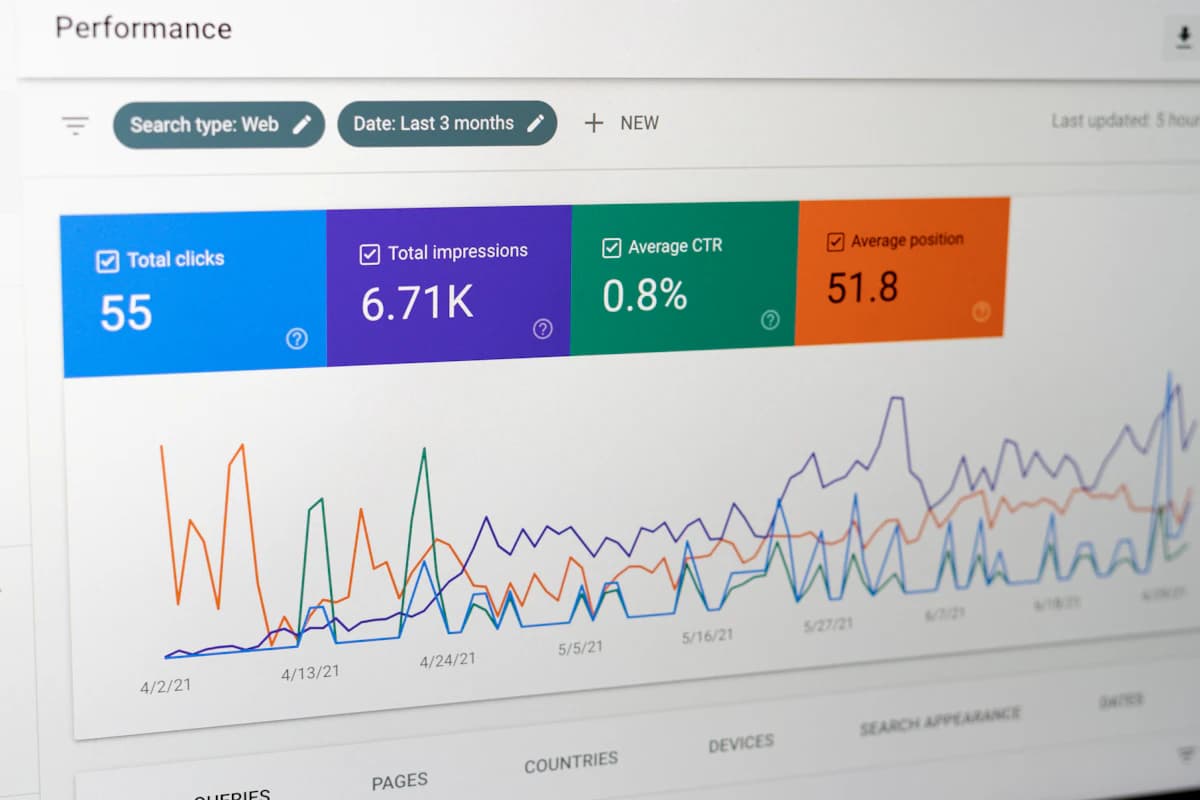
Learn how AI SEO ranking strategies help you outrank competitors in 2026. Discover keyword research, content optimization, and algorithm adaptation powered by machine learning.
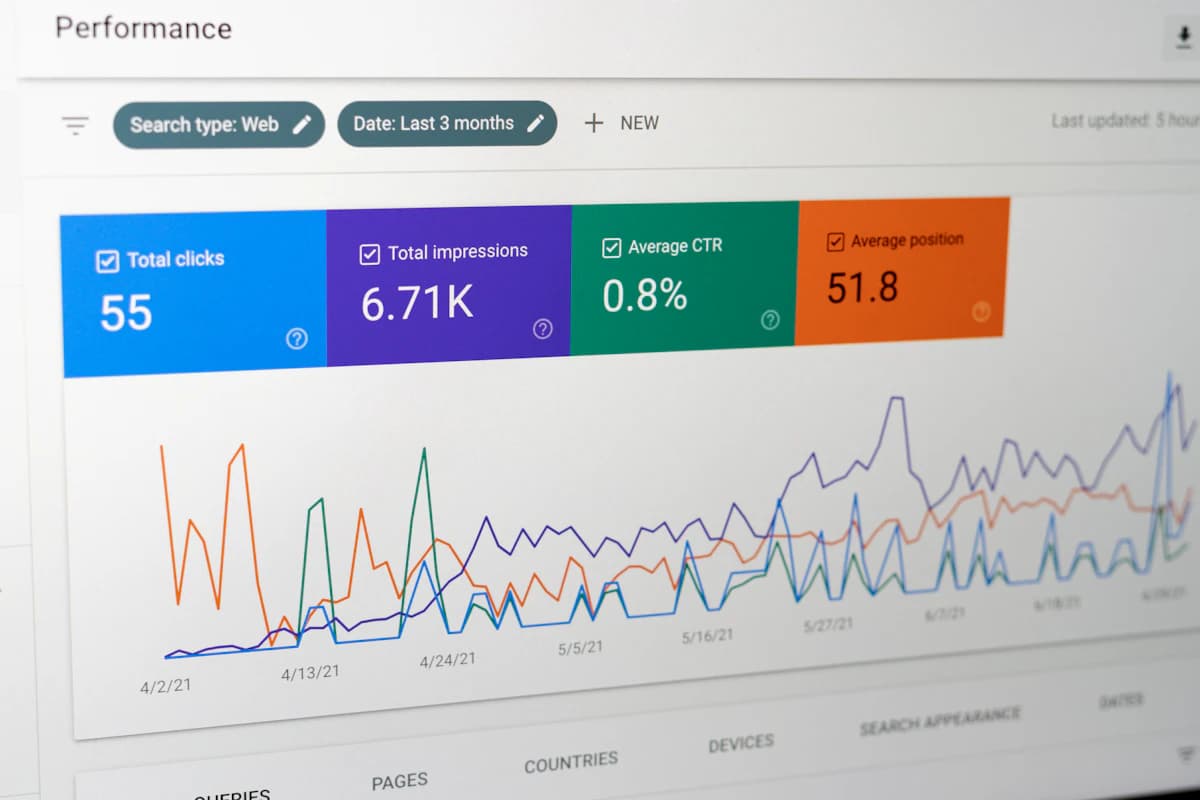
Master AI blog performance metrics in 2026. Track traffic, engagement, conversions, and AI-specific metrics to optimize your content strategy and ROI.
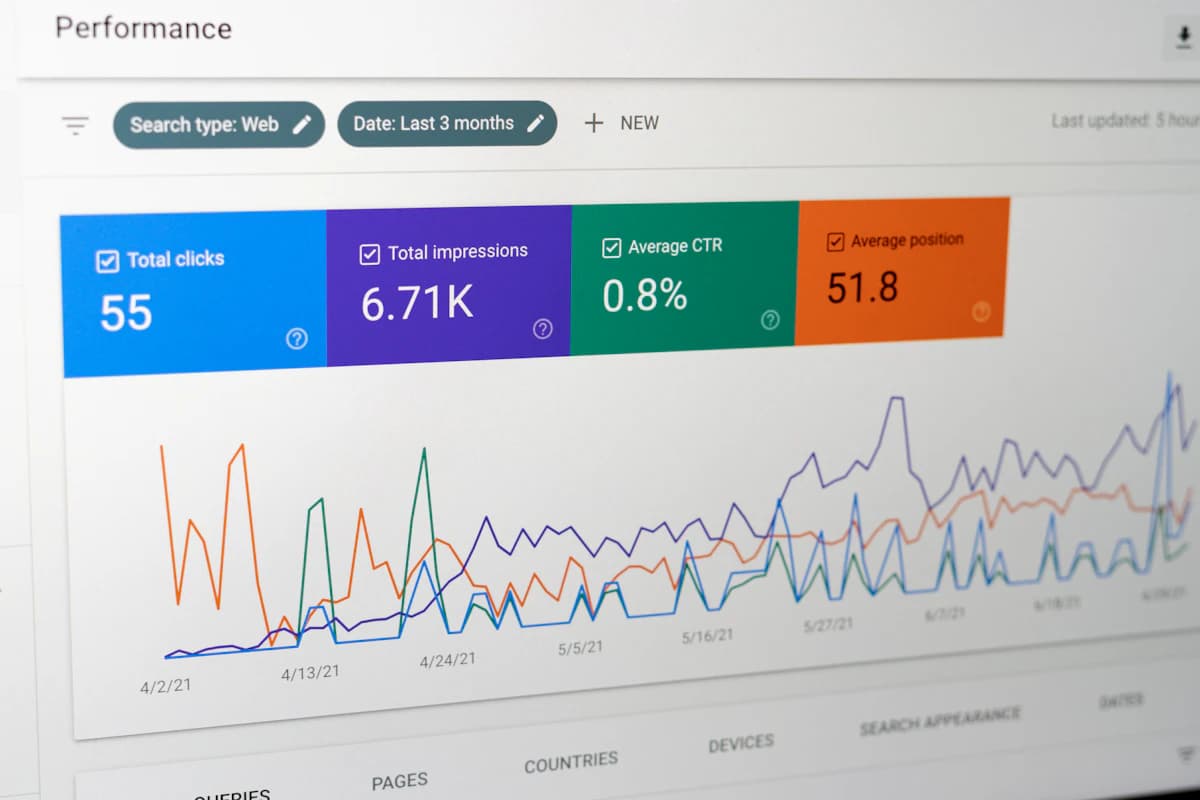
Master YouTube SEO ranking in 2026 with AI. Learn keyword research, video optimization, and engagement strategies to grow your channel systematically with automation.
Share article