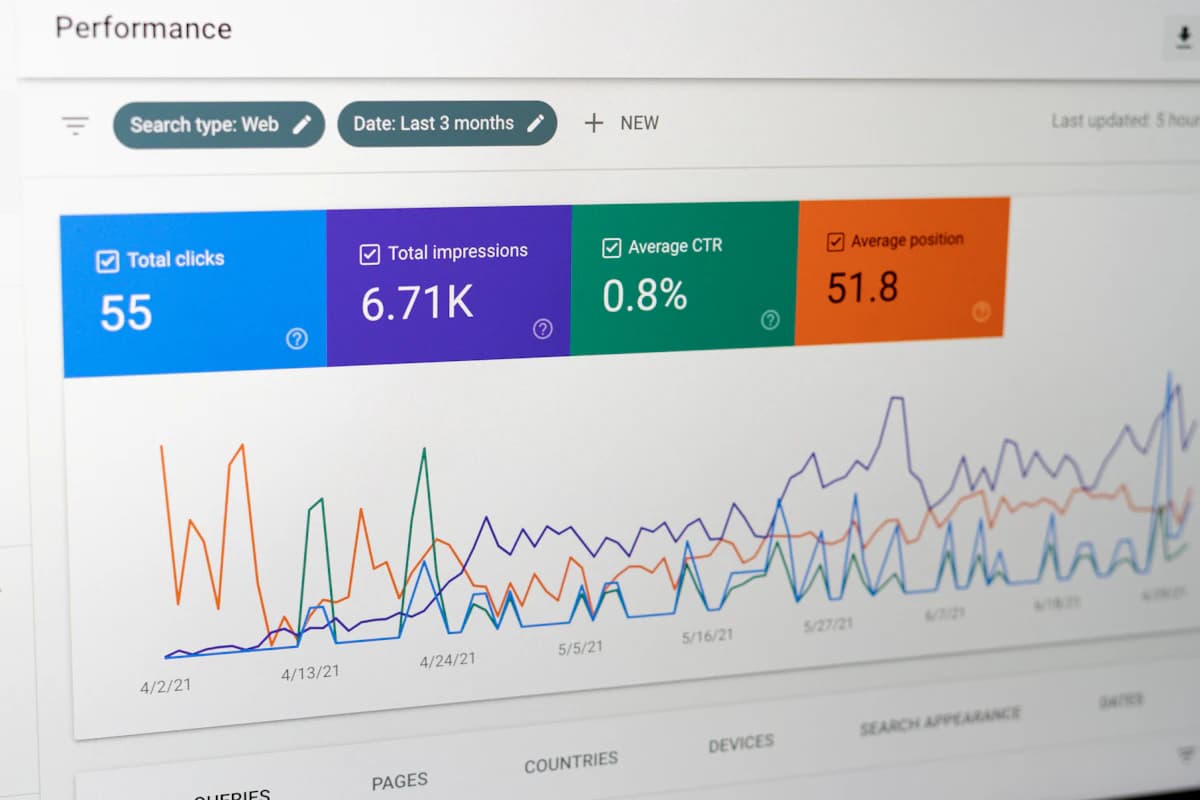
SEO14 min read
How to build domain authority with AI-generated content
Learn how to build domain authority with AI-generated content in 2026. Strategic content clusters, SEO optimization, and backlink building for faster rankings.


Published on May 11, 2026
Semantic SEO isn't just another buzzword—it's fundamentally changing how search engines evaluate and rank your content. In 2026, semantic SEO AI has evolved from a theoretical advantage into an absolute necessity for businesses wanting meaningful visibility on Google and other search engines.
But what exactly does semantic SEO mean, and why should you care? Traditional SEO focused on keywords—exact phrases and word counts. Semantic SEO flips that model on its head. It's about understanding context, user intent, and the relationships between concepts. Search engines now use advanced AI to grasp what your content truly means, not just what words appear on the page.
For business owners and marketing managers, this shift is both a challenge and an incredible opportunity. If your content strategy doesn't account for semantic understanding, you're leaving ranking potential on the table. This article explores how AI-powered semantic SEO works, why it matters in 2026, and how you can leverage it to dominate your market.
Semantic SEO is the practice of optimizing your content based on meaning, context, and user intent rather than just keyword frequency. The word "semantic" comes from linguistics—it deals with meaning. In practical terms, semantic SEO means your content should comprehensively address a topic so that search engines understand exactly what you're talking about and which user problems you're solving.
Here's the critical shift: traditional keyword SEO said "use your target keyword 15-20 times on the page." Semantic SEO says "explain your topic so thoroughly and contextually that the AI understands your expertise, even if you never use the exact keyword once."
Google's AI systems—particularly those powering their core ranking algorithm—now process billions of data points to understand semantic relationships. When someone searches for "how to reduce carbon footprint," Google's AI doesn't just look for pages using that exact phrase. It looks for pages discussing renewable energy, carbon offsets, energy efficiency, sustainable transportation, and dozens of related concepts. It evaluates whether the content demonstrates genuine topical authority.
The why matters enormously. Studies from 2025-2026 show that pages ranking in Google's top three positions average 14-18% higher semantic relevance compared to pages ranking in positions 4-10. That's not a small difference—it's the difference between getting customers and being invisible.
For your business, semantic SEO with AI means you can create content that genuinely helps users, ranks naturally, and doesn't require constant keyword stuffing. You can write the way humans actually search and think, because AI now bridges that gap between human language and search engine understanding.
Traditional keyword matching was mechanical. You'd type "running shoes for marathon training" and the search engine would find pages containing all or most of those words in sequence. This approach had massive limitations. It couldn't distinguish between a page about shoes and a page about running form that happened to mention shoes.
AI changes this completely through several mechanisms:
Embedding and vector representations: Modern AI converts text into mathematical vectors that capture meaning. Two sentences with completely different words but similar meaning end up close to each other in mathematical space. For example, "how to prepare for a marathon" and "getting ready to run 26.2 miles" have different keywords but nearly identical semantic meaning. AI recognizes this instantly.
Named entity recognition: AI identifies people, places, organizations, and concepts in your content. When you write about "Nike" or "Asics," AI understands these are shoe brands, not just random words. This contextual awareness helps Google understand your content depth.
Relationship mapping: AI creates knowledge graphs that show how concepts connect. It understands that "carbohydrate loading," "glycogen," and "pre-race nutrition" are all semantically related to marathon training. Content mentioning these concepts together signals comprehensive topical coverage.
Pro Tip: Don't try to game semantic SEO by mentioning related keywords randomly. Instead, structure your content so concepts naturally flow together. Use subheadings, bullet points, and detailed explanations that genuinely address different angles of your topic. AI recognizes natural, reader-focused content better than artificially stuffed alternatives.
Keyword density used to be everything. SEO professionals would obsess over whether a keyword appeared 3% or 5% of the time. Google actively penalized pages that seemed to overuse keywords, yet marketers kept trying.
Semantic SEO flips this entirely. The keyword frequency is nearly irrelevant. What matters is topical depth and contextual relevance. A page about "sustainable business practices" might rank for that exact phrase without using it more than once, if the content comprehensively covers sustainability reporting, carbon reduction strategies, supply chain ethics, and stakeholder engagement—all semantically related concepts.
This shift benefits businesses tremendously. You're no longer forced to write awkward, keyword-stuffed content that sounds like robots wrote it. Your actual customers—and the AI systems serving them—prefer natural, helpful writing.
Topical authority has become crucial in 2026. Search engines determine topical authority by analyzing how comprehensively a website covers a subject area. If you run an e-commerce site selling outdoor gear, having 50 pages covering different aspects of hiking, camping, and climbing shows more authority than a competitor with 10 pages covering only hiking.
AI systems evaluate:
Real example: REI's website ranks for thousands of outdoor-related keywords not because they keyword-stuff, but because their site comprehensively covers outdoor gear, activities, techniques, and community. Their content shows genuine topical authority across hundreds of semantically related topics.
Entities are "things"—people, places, products, concepts. Google has structured entities into knowledge graphs. When you mention entities in your content and establish clear relationships between them, you help Google's AI understand your content better.
For a software company, mentioning "enterprise SaaS solutions," "cloud infrastructure," and "API integration" separately is fine. But doing so while clearly connecting them—explaining how your cloud infrastructure connects to API integration, which enables enterprise SaaS adoption—creates semantic density that AI recognizes immediately.
Search intent comes in four types: informational (learn about something), navigational (find a specific site), commercial (research before buying), and transactional (buy now). Semantic SEO requires precise alignment with intent.
If someone searches "best project management software for remote teams," they have commercial intent. Content that ranks for this query should comprehensively compare tools, discuss remote-specific features, include user reviews, and address team coordination challenges. Content that just lists tools without this context, or purely informational content about remote work philosophy, won't rank as well—AI recognizes the intent-content mismatch.
In 2026, how you structure content matters as much as what you write. AI systems process:
A 5,000-word article with no headings and random organization will rank lower than a 3,500-word article with clear structure, proper headings, and logical flow—even if both address the same topic.
Topic clusters organize content around a central pillar topic with supporting cluster content covering related subtopics. This structure is inherently semantic—it shows AI how concepts relate.
Example structure for a financial services firm:
Each cluster page links to the pillar and other clusters, creating a semantic web that shows topical authority. AI systems recognize this interconnected structure and reward it with better rankings.
This is where tools like Zerpia SEO AI become invaluable. Instead of guessing which related keywords to target, AI analyzes search data to identify genuine semantic gaps and opportunities.
The process works like this:
This isn't keyword research in the old sense. It's semantic opportunity mapping. You're identifying real information needs that users have, not just traffic-generating keywords.
Semantic SEO rewards depth. But depth isn't just word count—it's dimensional coverage.
For a topic like "cloud migration for enterprises," comprehensive coverage includes:
One 8,000-word article addressing all five dimensions outranks three articles of 3,000 words each that each cover only one or two dimensions. AI recognizes the comprehensive topical depth.
Pro Tip: Create a content brief template that forces you to address your topic from multiple dimensions. Before writing, list 8-12 different angles or subtopics you'll cover. This ensures semantic depth and prevents narrow, superficial coverage.
Implementation requires intentional writing choices. When discussing related entities, make connections explicit.
Instead of: "Cloud storage is important. Cybersecurity is important. Data recovery is important."
Write: "Cloud storage with integrated cybersecurity measures ensures that your data is both accessible and protected. In a disaster scenario, robust data recovery systems—enabled by properly secured cloud architecture—minimize downtime."
The difference is subtle but crucial. You're showing how entities relate, not just listing them.
Schema.org markup helps AI understand your content structure. For a blog article, use Article schema. For a product, use Product schema with ratings and pricing. For local businesses, use LocalBusiness schema.
Tools can generate this automatically, but the strategic part is ensuring your markup accurately represents your actual content. False or misleading schema markup damages trust with AI systems.
A project management software company was competing against established players like Asana and Monday.com. Traditional keyword SEO had plateaued—they were ranking for long-tail keywords but couldn't crack the first page for "project management software."
Their solution used semantic SEO:
Mapped the full topical landscape: Instead of just targeting "project management software," they identified 47 semantically related topics (resource allocation, capacity planning, burndown charts, agile methodology, team communication, etc.)
Created comprehensive cluster content: 15 pillar articles and 45 cluster articles creating a semantic web of topical authority
Aligned content with user journey: Different content for different intent stages (learning about agile methodology, comparing tools, implementing new software)
Results after 18 months:
The keyword target list didn't change dramatically—they just approached it semantically, ensuring comprehensive topical coverage rather than scattered keyword targeting.
An online fitness equipment retailer had thousands of products but minimal visibility. They weren't competing on brand (few people searched their name), and product-specific keywords faced intense competition.
Semantic SEO strategy:
Created comprehensive buyer guides aligned with the customer journey (beginner equipment, intermediate progression, advanced training, recovery tools)
Built semantic content around training methods (HIIT training, strength training, flexibility work, endurance training) that naturally connected to product categories
Optimized category pages for semantic depth: Instead of just listing products, each category page explained the training method, user types, equipment options, and progression paths
Results after 12 months:
Building a semantic SEO strategy requires the right tools. Here's what you need:
| Strategy component | Tool type | Recommended tool | Why it matters |
|---|---|---|---|
| Semantic keyword research | AI-powered SEO platform | Zerpia SEO AI | Identifies semantic relationships and topical gaps, not just keywords |
| Content creation | AI writing assistant | Zerpia Blog AI | Generates comprehensive, semantically coherent content addressing multiple angles |
| Content structure analysis | SEO analysis tool | Surfer SEO or Semrush | Validates that your content depth matches competitors |
| Entity relationship mapping | Knowledge graph tool | Google Cloud NLP API or Semrush | Visualizes how concepts relate in your content |
| Schema markup | Technical SEO tool | Yoast SEO or schema markup generators | Ensures AI systems understand your content structure |
| Performance tracking | Analytics & tracking | Google Search Console + Google Analytics 4 | Monitors which semantic strategies drive results |
What Zerpia SEO AI specifically provides:
Using these tools together creates a semantic SEO system. You're not guessing or relying on traditional keyword research. You're letting AI identify semantic opportunities, generating semantically coherent content, and validating that your coverage is comprehensive.
How AI can help you outrank competitors extends beyond keyword stuffing—it's about understanding what search engines truly reward. Check out our detailed guide on how AI can help you outrank competitors on Google for deeper strategy implementation.
Semantic SEO isn't something you can ignore in 2026—it's the foundation of how search engines evaluate and rank content. The good news? AI makes semantic optimization accessible to businesses of all sizes. You don't need to be a linguistics expert or data scientist to understand what search engines reward.
Start with a clear assessment: Is your current content strategy built on keywords or semantic depth? Does your site comprehensively cover topical areas, or does it take scattered approaches? Zerpia's AI tools help you identify semantic opportunities and create the comprehensive content that ranks. Start your free trial →
Semantic SEO represents a fundamental shift in how search engines understand and rank content. In 2026, this shift is complete—you can no longer rely on traditional keyword strategies to compete. The search engines explicitly reward semantic depth, topical authority, and comprehensive coverage.
The opportunity is clear: businesses that embrace semantic SEO with AI-powered tools will dominate their markets. They'll create better content, rank higher, and generate more qualified traffic. Those clinging to keyword-based strategies will fall behind.
If you're ready to implement semantic SEO, start with the right tools and strategy. Learn more about comprehensive SEO optimization strategies in our SEO AI services that help you build topical authority and semantic depth at scale.
Zerpia Editorial Team / César Solar
AI Solutions Architect |25+ years transforming businesses with technology
The Zerpia editorial team combines expertise in development, integrations, and digital strategy to produce rigorous, actionable technical content. Our goal is to help businesses and entrepreneurs understand and leverage AI as a real competitive advantage.
Learn how to build domain authority with AI-generated content in 2026. Strategic content clusters, SEO optimization, and backlink building for faster rankings.
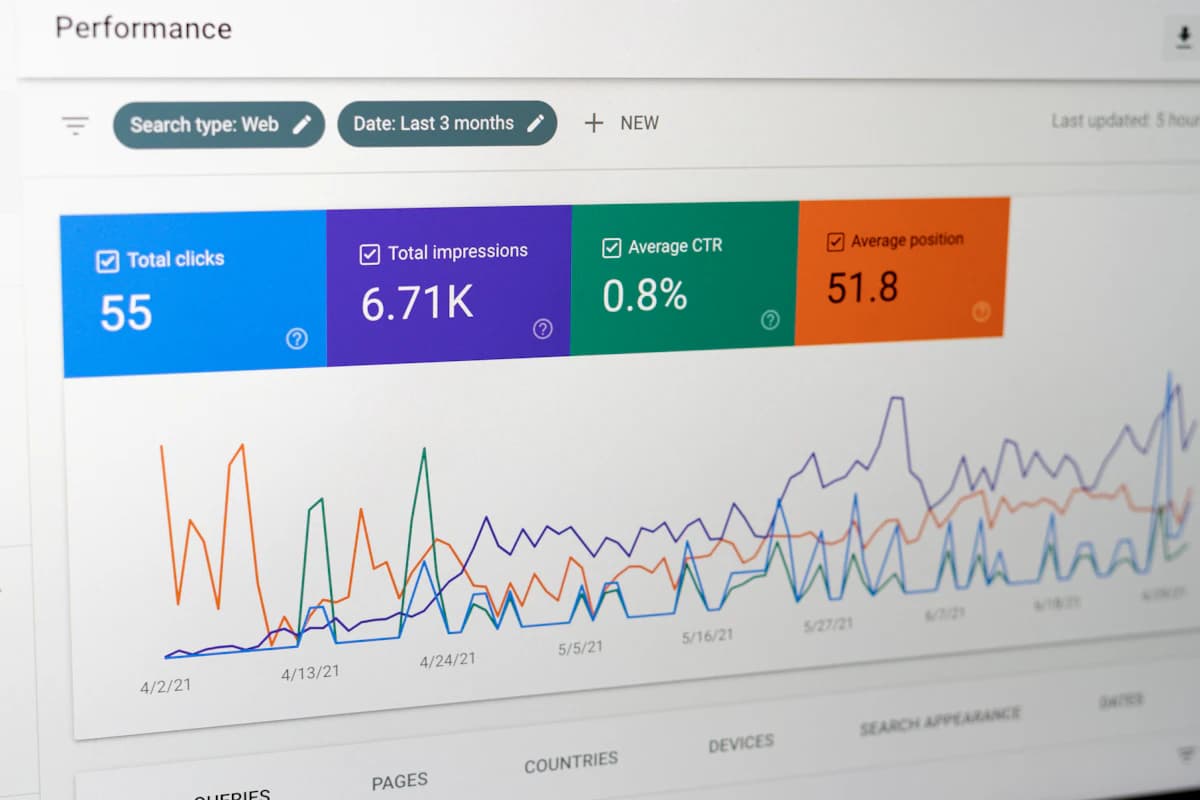
Learn how AI SEO ranking strategies help you outrank competitors in 2026. Discover keyword research, content optimization, and algorithm adaptation powered by machine learning.
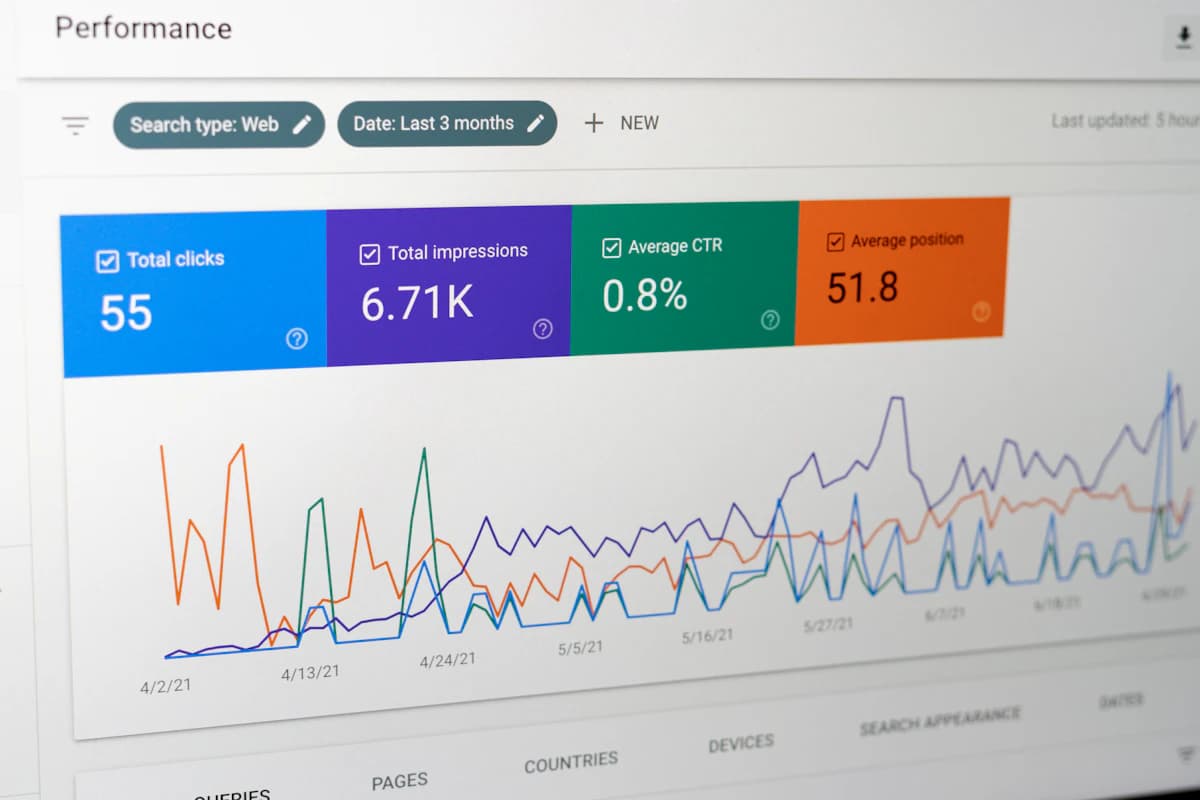
Master AI blog performance metrics in 2026. Track traffic, engagement, conversions, and AI-specific metrics to optimize your content strategy and ROI.

Build an SEO blog for consultants that attracts inbound leads and positions you as an expert using AI-powered content creation in 2026.
Share article