
SEO16 min read
Semantic SEO AI: How AI understands context and boosts your rankings
Semantic SEO AI helps search engines understand context, not just keywords. Learn how AI boosts rankings by recognizing topical depth and user intent in 2026.


Published on March 29, 2026
In 2026, understanding your competition is no longer optional—it's essential for SEO success. The digital landscape has become increasingly competitive, and manually tracking competitor strategies is nearly impossible when you're juggling multiple marketing responsibilities. AI-powered competitive analysis tools have revolutionized how businesses approach SEO by automating the process of analyzing competitor keywords, content strategies, backlinks, and technical performance. These intelligent systems can process massive amounts of data in minutes, providing actionable insights that would take a human team weeks to compile. By leveraging AI competitive analysis for SEO, you can identify gaps in your content strategy, discover untapped keyword opportunities, benchmark your performance against competitors, and make data-driven decisions that directly impact your search rankings. This article explores practical strategies for using AI to analyze your competition and outrank them in search results.
Competitive analysis has always been important for SEO, but AI transforms it from a time-consuming manual process into an intelligent, continuous monitoring system. In 2026, search engines reward websites that demonstrate superior relevance, authority, and user experience compared to competitors. Without understanding what your competitors are doing, you're essentially flying blind—you might be optimizing for keywords they've already dominated, missing content opportunities they've overlooked, or failing to match their technical SEO standards. AI competitive analysis tools work 24/7, tracking competitor website changes, new content publications, backlink acquisition, ranking fluctuations, and keyword performance shifts. This real-time intelligence allows you to react quickly to market changes and stay ahead of the curve.
A decade ago, competitive analysis meant manually visiting competitor websites, checking their meta descriptions, and counting their backlinks. Today, AI systems can analyze hundreds of competitors simultaneously, identifying patterns in their keyword targeting, content structure, user engagement metrics, and audience demographics. The sophistication has increased exponentially. Modern AI tools use machine learning algorithms trained on billions of web pages to predict which content strategies will succeed in your industry. They can analyze competitor content comprehensively—not just whether they mention a keyword, but how effectively they cover the topic, what subtopics they address, and how well they satisfy user search intent.
Pro Tip: Set up weekly competitive analysis reports in your AI tool to track changes over time. Rather than checking occasionally, consistent monitoring helps you spot emerging trends before your competitors fully capitalize on them, giving you a crucial window to optimize first.
Modern AI competitive analysis platforms monitor dozens of metrics, but understanding which ones matter most for your SEO strategy is crucial. Here's a breakdown of the essential metrics that directly impact search rankings:
AI tools track not just which keywords your competitors rank for, but their ranking positions, search volumes, keyword difficulty scores, and trend directions. This data reveals whether competitors are gaining or losing ground in search results and which keyword categories they're targeting most aggressively. You'll see exactly how many organic keywords each competitor targets and their distribution across rankings (top 3, top 10, top 50).
Backlinks remain a critical ranking factor in 2026. AI systems analyze your competitors' complete backlink profiles, identifying the domains linking to them, anchor text patterns, link quality scores, and new links acquired. This reveals which link-building strategies are working in your industry. You can discover high-authority websites mentioning competitors and approach them with relevant content ideas. The AI even identifies broken backlinks—situations where a competitor's link source no longer functions, creating an opportunity for you to acquire that link instead.
AI analyzes competitor content at a granular level: topic clusters, content depth, publishing frequency, content format preferences (blog posts, guides, videos, infographics), and content freshness. The system identifies which content types generate the most engagement and which topics are underexplored. It examines heading structures, word count trends, and whether content follows topic authority principles.
AI evaluates competitor technical performance: page speed, mobile-friendliness, Core Web Vitals, structured data implementation, XML sitemap quality, and indexation rates. These technical factors directly influence rankings, and AI can highlight specific improvements competitors have made that correlate with ranking increases.
Advanced AI tools estimate organic traffic to competitor websites and analyze user engagement patterns. While not always 100% accurate, traffic estimates help you understand which content is driving the most valuable traffic and inform content prioritization decisions.
| Metric | Why it matters | AI advantage |
|---|---|---|
| Organic keyword rankings | Shows competitive positioning in search results | Tracks 1000s of keywords automatically across competitors |
| Backlink quantity and quality | Indicates domain authority and link-building opportunities | Identifies link sources and quality scores in seconds |
| Content word count and depth | Correlates with ranking potential for competitive keywords | Analyzes thousands of competitor articles for optimal length |
| Page speed and Core Web Vitals | Critical ranking factors affecting user experience | Monitors technical metrics continuously |
| Content freshness and update frequency | Shows content maintenance strategy | Alerts when competitors update or republish content |
| Traffic estimates | Reveals content ROI and high-value topics | Estimates organic traffic using multiple data sources |
Before running competitive analysis, you need to identify which competitors actually matter for your SEO strategy. Not all competitors are created equal—some dominate search results, others have strong brand presence, and some might be emerging threats. AI helps you categorize and prioritize which competitors deserve your analytical attention.
Direct search competitors rank for the same keywords you're targeting. These are your primary focus for competitive analysis because outranking them directly impacts your organic traffic. If you sell coffee online and a competitor ranks #2 for "buy organic coffee beans," they're a direct competitor for that keyword.
Topical competitors cover similar content topics or serve similar audience needs, even if they don't rank for identical keywords. For example, a personal finance blog and a budgeting app might not compete for the exact same keywords but both target people interested in money management.
Industry competitors operate in your same industry but might target different geographic regions, customer segments, or keywords. These are lower priority for direct SEO competition but valuable for understanding broader industry trends.
Modern AI platforms let you add unlimited competitors for monitoring. Start by identifying 5-10 direct search competitors—the websites ranking in the top 10 for your most important keywords. Input these into your AI competitive analysis tool, and the system automatically begins tracking their performance daily.
Pro Tip: Include 1-2 "aspirational competitors"—websites you don't currently compete with directly but want to emulate. These might be larger brands in adjacent niches or industry leaders. Analyzing their strategies can inspire your long-term SEO roadmap, even if you're not ready to compete directly yet.
As you progress, you'll discover secondary competitors through AI analysis—emerging websites gaining rankings and traffic fast. Your AI tool should automatically highlight these rising competitors so you can analyze their strategies before they become major threats.
The real power of AI competitive analysis emerges when you analyze keyword strategies comprehensively. Rather than manually checking which keywords competitors rank for, AI identifies patterns, gaps, and opportunities in seconds. This is where most businesses find their competitive advantage.
AI tools map every keyword your competitors rank for and compare it against your own keyword portfolio. The system automatically identifies three critical categories:
Keywords you're losing: Competitors rank for these, but you don't. This represents lost traffic opportunity. Priority: High. These are quick wins if your content quality is strong.
Keywords you're both ranking for: You're competing directly for these searches. Priority: Medium-High. These deserve optimization to improve your ranking position relative to competitors.
Keywords only you rank for: You have exclusive search visibility here. Priority: Lower. These are strengths to maintain and build upon.
The AI quantifies opportunity size by showing search volume for each unranked keyword category, helping you prioritize which new keywords deserve immediate content investment.
Beyond keywords, AI identifies content topics competitors cover that you don't. This might be entire content pillars, specific subtopics within your industry, or answer-based content addressing common questions. The system analyzes competitor content comprehensively to identify what expertise gaps exist in your content strategy.
For instance, if you're a B2B SaaS company and a competitor has published 15 comparison guides ("Our tool vs. [Competitor]") while you've published zero, the AI flags this content gap. It even shows that comparison guides in your industry generate high-quality leads because they target decision-stage prospects.
Not all keywords are created equal. A keyword might have 5,000 monthly searches but require 2,000+ referring domains to rank, making it practically unattainable. AI analyzes competitor keyword portfolios to identify their "easy wins"—keywords with decent search volume and moderate difficulty that you might capture.
The system prioritizes opportunities based on your current domain authority and existing content, suggesting keywords you can realistically rank for in the next 3-6 months. This transforms competitive analysis from a general information-gathering exercise into a concrete action plan.
AI evaluates not just what competitors publish, but how effectively their content satisfies user search intent. The system scores competitor articles based on comprehensiveness, accuracy, user engagement, and content structure. This reveals whether competitors are winning through superior content or just having more content.
If a competitor ranks #1 for an important keyword with a thin, poorly-structured article, there's a clear opportunity: publish more comprehensive, better-structured content on the same topic and outrank them. AI tools identify these "vulnerable rankings" where competitors haven't fully satisfied search intent.
Technical SEO remains crucial for rankings in 2026. AI doesn't just identify competitor technical issues—it benchmarks your performance against competitors and recommends specific improvements that correlate with ranking gains in your industry.
AI analyzes competitor page speed metrics and Core Web Vitals performance (Largest Contentful Paint, Cumulative Layout Shift, First Input Delay). It identifies the performance threshold leaders in your industry meet and flags any significant gaps between your metrics and top competitors. For example, if successful competitors average 2.1 seconds page load time while you're at 4.3 seconds, that's a priority optimization area.
The system doesn't just provide raw metrics—it correlates technical improvements with ranking gains. If competitors improved their page speed from 3.0 to 1.8 seconds and subsequently gained 5 positions on average, that data-driven insight motivates technical investment.
With mobile-first indexing, your mobile experience is critical. AI evaluates how competitors optimize for mobile users: responsive design implementation, mobile-specific features, touch element sizing, and mobile performance optimization. It identifies specific technical decisions competitors have made that contribute to mobile usability.
Structured data helps search engines understand your content better, often resulting in rich snippets and enhanced search visibility. AI identifies which structured data types competitors implement (Product schema, Article schema, FAQ schema, etc.) and whether these implementations improve their search appearance.
For instance, if competitors using FAQ schema generate more featured snippets for question-based keywords, that's a clear signal you should implement similar schema. The AI even suggests which schema types are most valuable in your industry based on what's driving visible improvements.
AI analyzes how competitors structure their websites: siloing strategy, internal linking patterns, hub-and-spoke content models, and information hierarchy. It identifies whether successful competitors use topic clusters (a pillar page with multiple related subtopic pages internally linked together) and how they structure these relationships.
If competitors using aggressive internal linking strategies show better keyword rankings across topic clusters, the AI flags this as a strategy worth adopting. The system even suggests specific internal linking opportunities within your existing content.
Pro Tip: Use AI to conduct a technical SEO audit comparing your site to top-3 competitors. The system will quickly identify which technical improvements correlate with ranking gains in your industry. Prioritize those improvements over generic "best practices" because they're proven to work in your specific niche.
Understanding competitor strategies is worthless without a plan to outperform them. AI transforms competitive insights into a concrete content roadmap designed to capture search traffic and establish topical authority.
A proven content strategy in 2026 involves creating pillar pages (comprehensive guides covering broad topics) and cluster content (detailed articles targeting related subtopics, all internally linking to the pillar). AI competitive analysis identifies whether successful competitors use this structure and which topic clusters generate the most authority.
The system analyzes competitor content relationships, identifying their topic hierarchy and internal linking patterns. If a competitor has a pillar page on "Email marketing" with 25 cluster articles targeting specific subtopics ("Cold email templates," "Email deliverability," etc.), and these pages collectively rank for hundreds of keywords, that's a model worth replicating in your content strategy.
Content doesn't win forever. AI tracks when competitors publish new content, update existing articles, republish with new data, and retire old posts. It identifies update frequency patterns—whether leaders in your industry refresh content quarterly, semi-annually, or annually.
For your high-value pages that rank in positions 3-10 (where minor improvements can drive substantial ranking gains), the AI recommends refresh priorities. If a competitor's article on "Best project management tools" was updated monthly and that correlates with their maintaining #1 ranking, you should establish a similar update cadence.
Different keywords satisfy different user intents. Someone searching "how to write a blog post" needs a step-by-step guide (tutorial content). Someone searching "best blog writing software" needs a comparison and product reviews. AI analyzes which content formats competitors use for different keyword categories and which formats generate engagement.
The system identifies whether video content, interactive tools, downloadable templates, or interactive calculators are common among top-ranking competitors. It even shows which formats correlate with higher click-through rates and dwell time, indicating audience preference.
Search engines reward websites demonstrating topical authority—comprehensive coverage of topics within a specific domain. AI competitive analysis accelerates your authority-building by identifying the complete topic landscape competitors have covered.
The system suggests content gaps you should fill and topics where competitors have weak coverage (few articles, outdated information, or low engagement). By strategically filling these gaps, you develop broader topical authority while competitors remain focused on their limited perspective.
If you're in the Local SEO with AI: A complete guide for physical businesses, competitive analysis becomes even more valuable. Analyzing local competitors' keyword strategies, content coverage of local topics, and local business markup helps you dominate local search results in your geographic area.
Having more content than competitors isn't enough—your content must be demonstrably better. AI competitive analysis identifies what makes competitor content successful (structure, length, data quality, visual elements, user experience) and guides you to create content that exceeds their standards.
For instance, if top-ranking competitors average 2,500 words for a keyword, the AI suggests 3,200 words. If they include 5 images, include 8. If they don't have video, add video. These improvements compound, making your content more valuable to users and search engines.
AI competitive analysis transforms raw competitor data into actionable intelligence that drives SEO improvements. Instead of guessing which optimizations matter most, you're making decisions based on what's working for successful competitors in your actual industry. Zerpia's SEO AI tools integrate competitive analysis directly into your optimization workflow, automatically identifying opportunities and recommending improvements based on competitor benchmarks. Start leveraging competitive intelligence to improve your rankings and capture market share from competitors.
Start your free trial → https://hub.zerpia.com/admin/en/register
Competitive analysis powered by AI gives you the strategic advantage necessary to dominate search rankings in 2026's crowded digital landscape. By systematically analyzing competitor keywords, content strategies, technical implementation, and backlink profiles, you identify concrete opportunities to capture market share and establish topical authority. The key is transforming insights into action—using competitive intelligence to inform your content roadmap, technical optimizations, and link-building strategy. Ready to implement AI-driven competitive analysis? Explore our comprehensive SEO AI service to access these powerful tools integrated into a complete optimization platform.
Zerpia Editorial Team / César Solar
AI Solutions Architect |25+ years transforming businesses with technology
The Zerpia editorial team combines expertise in development, integrations, and digital strategy to produce rigorous, actionable technical content. Our goal is to help businesses and entrepreneurs understand and leverage AI as a real competitive advantage.
Semantic SEO AI helps search engines understand context, not just keywords. Learn how AI boosts rankings by recognizing topical depth and user intent in 2026.
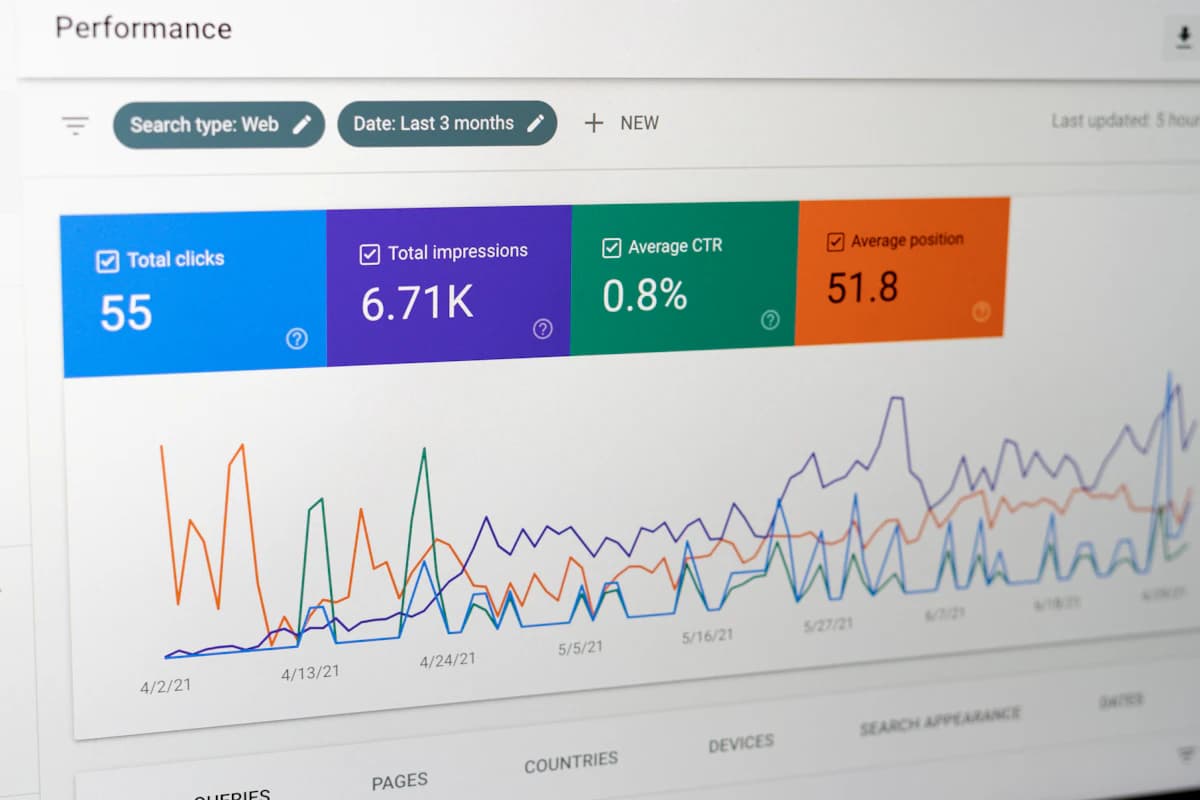
Learn how AI SEO ranking strategies help you outrank competitors in 2026. Discover keyword research, content optimization, and algorithm adaptation powered by machine learning.
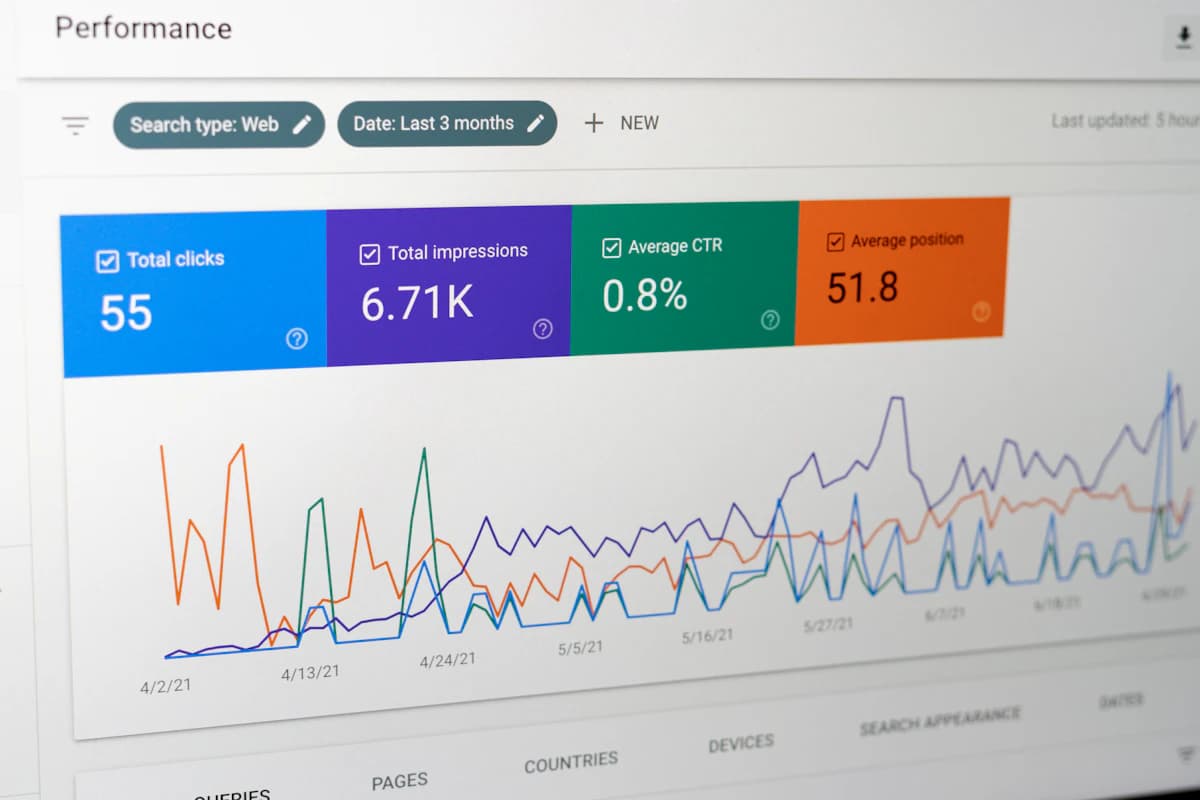
Master AI blog performance metrics in 2026. Track traffic, engagement, conversions, and AI-specific metrics to optimize your content strategy and ROI.

Build an SEO blog for consultants that attracts inbound leads and positions you as an expert using AI-powered content creation in 2026.
Share article