
SEO16 min read
Semantic SEO AI: How AI understands context and boosts your rankings
Semantic SEO AI helps search engines understand context, not just keywords. Learn how AI boosts rankings by recognizing topical depth and user intent in 2026.

Published on March 9, 2026
Technical SEO sounds intimidating. For most small business owners, it evokes images of server configurations, XML sitemaps, and cryptic error codes. But here's the truth: technical SEO for small business doesn't require a computer science degree anymore. With AI-powered tools now available in 2026, the barriers to entry have collapsed.
Technical SEO is the foundation that allows search engines to crawl, index, and rank your website effectively. It's the difference between having a beautiful storefront that nobody can find and one that attracts customers through Google's front door. Without it, even exceptional content sits invisible.
The real game-changer? AI has democratized technical SEO. Where hiring a specialized agency once cost $5,000 USD–$15,000 USD per month, intelligent automation can now handle these tasks for a fraction of the price. Small business owners can now compete with larger enterprises by leveraging AI to audit their sites, identify problems, and implement solutions—all without needing a developer on payroll.
This article breaks down what technical SEO actually is, why it matters for your bottom line, and how modern AI tools make it genuinely accessible for any business size in 2026.
Technical SEO refers to optimizations made to your website's infrastructure and backend—as opposed to content or link-building strategies. It's about making sure search engine bots can easily access, understand, and crawl your pages without friction.
Common technical SEO elements include site speed, mobile responsiveness, SSL certificates (HTTPS), XML sitemaps, robots.txt files, canonical tags, structured data markup, and crawl efficiency. These aren't visible to your visitors, but Google's algorithms notice everything.
For small businesses, technical SEO is non-negotiable. Consider these facts:
Small business owners often skip technical SEO because it feels too technical. But ignoring it is like opening a store with no signs, broken doors, and inconsistent lighting. Customers might find your location, but many won't stay.
Pro Tip: Start with a technical SEO audit. Use AI-powered tools like Zerpia SEO AI to scan your entire site in minutes and identify the top 10 issues costing you rankings. Most small businesses find quick wins worth hundreds of dollars in monthly organic traffic.
Site speed directly impacts user experience and Google rankings. In 2026, mobile users expect pages to load in under 2 seconds. Anything slower than 3 seconds sees a 40% bounce rate increase.
Traditional speed optimization required manual analysis: testing from different locations, analyzing waterfall charts, identifying render-blocking resources, optimizing images individually. This was tedious and required deep technical knowledge.
AI changes this entirely. Modern platforms automatically:
A small e-commerce business we worked with had a 4.2-second average load time. After using AI-driven optimization, they achieved 1.8 seconds, resulting in a 34% increase in conversions within two months.
Google's mobile-first indexing means your mobile site is your primary ranking factor. Yet many small businesses still have desktop-focused designs with poor mobile experiences.
AI tools now automatically:
If you're unsure whether your site is mobile-friendly, Google provides a free Mobile-Friendly Test. But AI goes deeper—it not only identifies problems but suggests specific code fixes.
Search engine bots follow a specific pattern when crawling your site. They enter through your homepage, follow links, and index pages. If your site structure is confusing, important pages go undiscovered.
AI audits automatically map your site architecture and identify:
A B2B software company had 200 pages indexed but 1,400 pages created. The missing 1,200 pages were orphaned, generating zero organic traffic. AI-powered analysis revealed the issue in minutes; manual discovery would have taken weeks.
Structured data (schema markup) tells search engines exactly what content means. A recipe page with proper schema markup gets a rich snippet displaying prep time, calories, and user ratings. These snippets increase click-through rates by 20–30%.
Yet most small businesses never implement schema because it involves HTML code and technical validation. AI solves this:
An e-commerce client gained product rich snippets across 300 items. Result: 18% increase in organic click-through rate within 6 weeks, with zero coding required.
In 2026, a comprehensive technical SEO audit happens in real-time. AI crawls your entire website—even sites with 10,000+ pages—in minutes (traditional tools took hours). It evaluates every page against 100+ technical SEO criteria and produces a prioritized report.
Instead of a 50-page audit document listing every tiny issue, AI gives you a focused action plan. It calculates the potential impact: "Fix these 3 crawl errors and gain approximately 45 additional organic clicks monthly."
Most AI audit tools now feature:
One audit is a snapshot. Your site changes weekly—new pages, plugins, updates. Human monitoring would require constant manual checking.
AI now provides continuous monitoring:
The best AI solutions integrate with your existing marketing stack. Rather than switching between 10 different platforms, modern technical SEO AI connects to:
This integration means less manual data entry and more actionable insights.
| Technical SEO Task | Manual approach | AI-powered approach | Time saved |
|---|---|---|---|
| Full site audit | 40+ hours | 5 minutes | 99.8% |
| Competitor analysis | 20+ hours | 10 minutes | 99.2% |
| Mobile testing (50 pages) | 15 hours | 2 minutes | 99.8% |
| Schema markup implementation (100 pages) | 30+ hours | 15 minutes | 99.5% |
| Monthly monitoring | 12 hours | Automated | 100% |
Pro Tip: Schedule weekly technical SEO audits, not monthly or quarterly. Website issues compound. A crawl error discovered in week 1 might affect 500 pages by week 3. Early detection saves massive cleanup work later.
A dental practice in Austin had a website built in 2019. It was outdated, slow, and not mobile-optimized. Despite great reviews and a strong local presence, they appeared on page 3 for local searches like "dentist near me Austin."
Using AI analysis, they identified:
After implementing AI-recommended fixes:
Results (3 months):
An online supplement retailer had 400 product pages indexed but only 30% were generating organic traffic. The issue? Missing product schema, poor internal linking, and slow image loading.
The store implemented:
Results (6 months):
A content marketing agency published 2 articles weekly but noticed declining organic traffic despite consistent output. The issue: technical decay. Older articles weren't being discovered because of crawl inefficiency.
AI audit revealed:
AI implementation included automated internal linking suggestions via tools like AI digital marketing strategies leading brands use in 2026, which now handles this task systematically. They also fixed structural issues and consolidated duplicate content.
Results (4 months):
Don't overthink this. Pick one AI tool and run a comprehensive audit. Most platforms offer free trials. You'll get a technical score and a prioritized list of issues.
When reviewing your audit report, focus on:
Ignore low-priority issues initially. Technical SEO is a marathon. Quick wins build momentum and demonstrate value to stakeholders.
Create a simple matrix:
For each issue category:
Most issues fall into predictable categories:
Technical SEO isn't a one-time project. Your website evolves. New pages are added, plugins are updated, hosting configurations change.
Set up:
Here's a practical breakdown of what you need:
| Function | Recommended AI Tool | Why it matters | Cost |
|---|---|---|---|
| Complete site audit | Zerpia SEO AI | Identifies all technical issues, prioritizes by impact, integrates with Google Search Console | $99 USD–$399 USD/month |
| Page speed testing | Google PageSpeed Insights (free) + Zerpia SEO AI | Detailed recommendations with before/after metrics | Free + included in platform |
| Mobile testing | Google Mobile-Friendly Test (free) + AI platform | Comprehensive mobile UX analysis across device sizes | Free + included |
| Schema markup | Zerpia SEO AI or Google Schema Markup Helper | Auto-generates correct schema, validates implementation | Included in platform |
| Rank tracking | Zerpia SEO AI | Monitor how technical fixes impact your rankings over time | Included in platform |
| Content optimization | Zerpia Blog AI | Pairs with technical SEO—well-optimized content needs proper technical foundation | $199 USD–$599 USD/month |
Technical SEO doesn't require hiring expensive agencies or learning complex coding anymore. AI has fundamentally changed what's possible for small businesses. With the right tools and strategy, you can identify and fix issues that directly impact your bottom line—traffic, leads, and revenue.
Zerpia SEO AI is built specifically to make technical SEO for small business accessible, giving you audit results, prioritized fixes, and ongoing monitoring in one platform. Start your free trial →
Technical SEO is no longer a luxury for well-funded enterprises. AI has democratized access to enterprise-grade optimization tools, making it genuinely accessible for any business. The businesses winning in 2026 aren't just creating better content—they're ensuring that content is technically discoverable and ranks reliably.
Your next step is simple: audit your site, prioritize the quick wins, and let AI handle the continuous monitoring. Learn more about optimizing your entire SEO strategy with our comprehensive SEO services powered by AI.
Zerpia Editorial Team / César Solar
AI Solutions Architect |25+ years transforming businesses with technology
The Zerpia editorial team combines expertise in development, integrations, and digital strategy to produce rigorous, actionable technical content. Our goal is to help businesses and entrepreneurs understand and leverage AI as a real competitive advantage.
Semantic SEO AI helps search engines understand context, not just keywords. Learn how AI boosts rankings by recognizing topical depth and user intent in 2026.
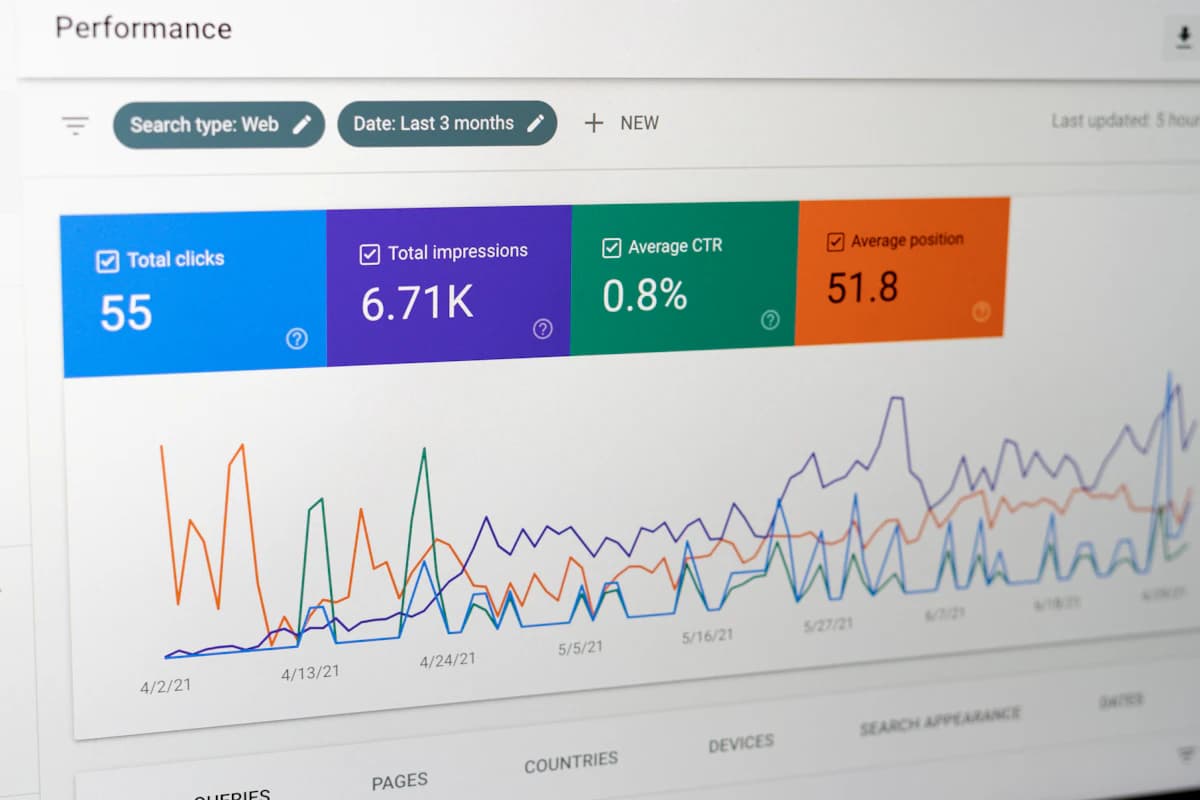
Learn how AI SEO ranking strategies help you outrank competitors in 2026. Discover keyword research, content optimization, and algorithm adaptation powered by machine learning.
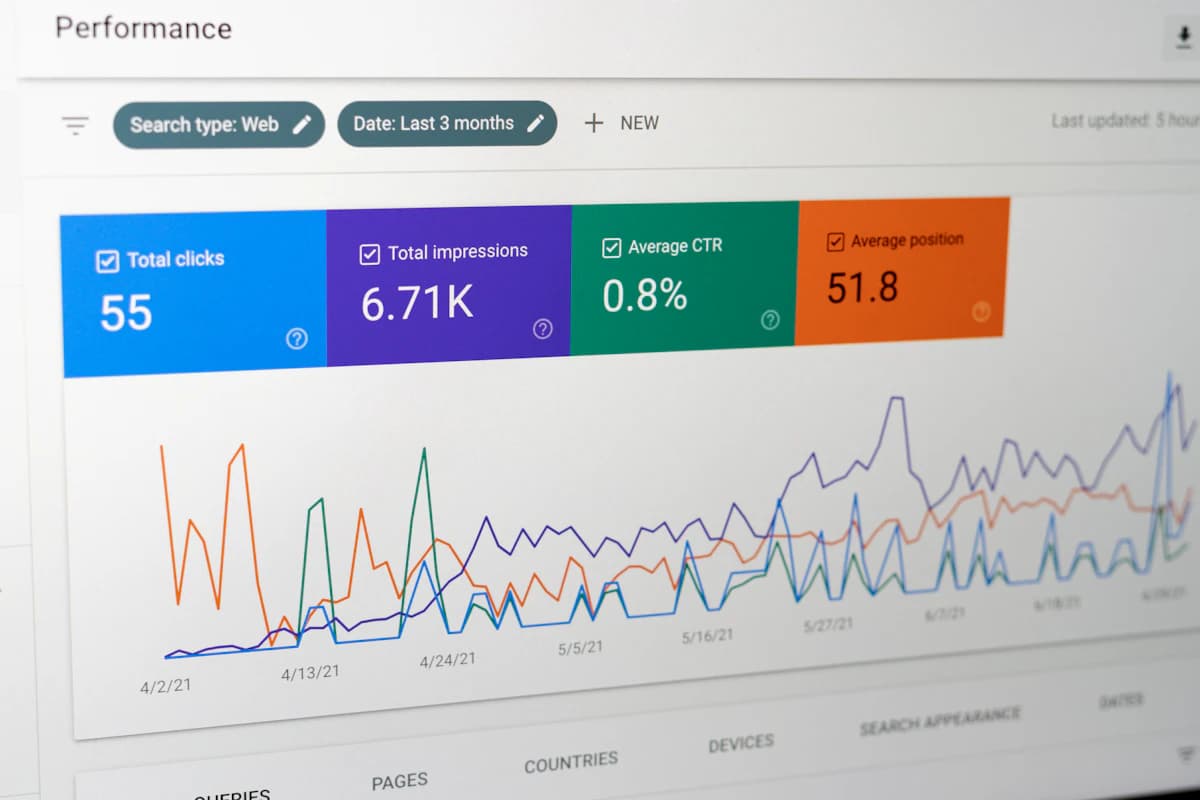
Master AI blog performance metrics in 2026. Track traffic, engagement, conversions, and AI-specific metrics to optimize your content strategy and ROI.
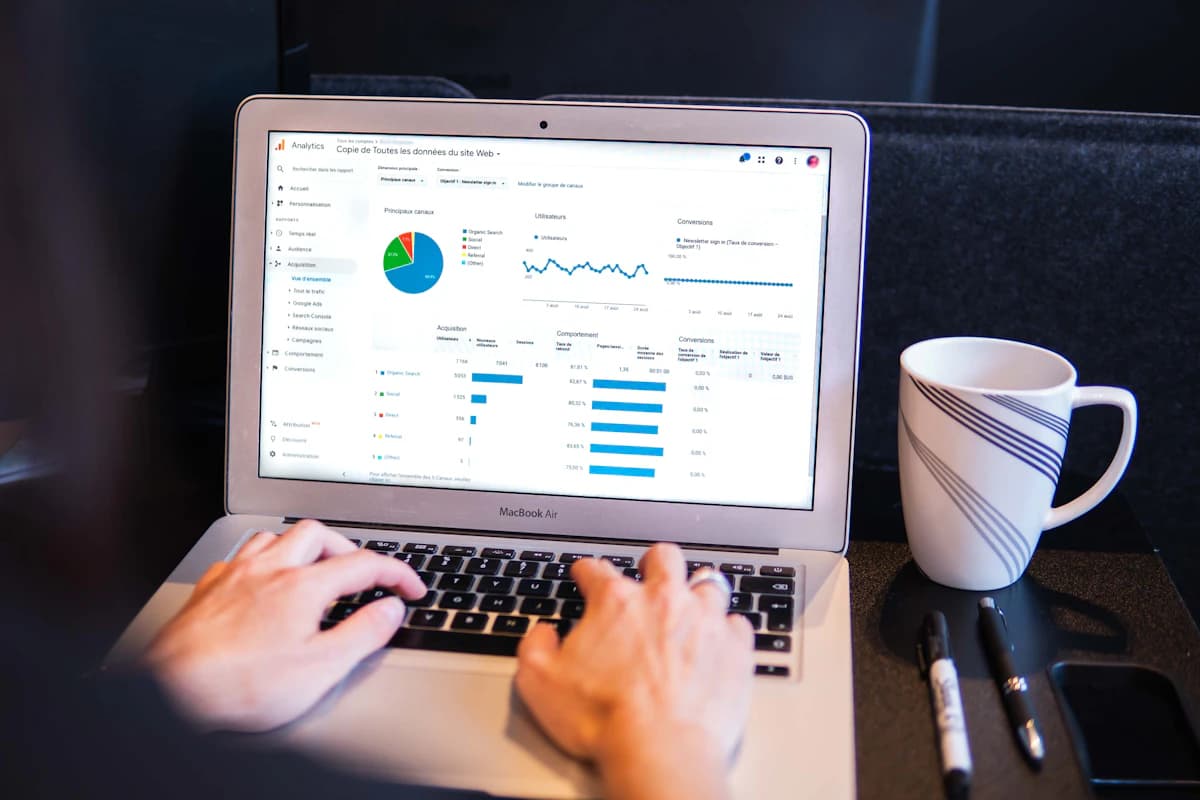
Build an SEO blog for consultants that attracts inbound leads and positions you as an expert using AI-powered content creation in 2026.
Share article