
SEO16 min read
Semantic SEO AI: How AI understands context and boosts your rankings
Semantic SEO AI helps search engines understand context, not just keywords. Learn how AI boosts rankings by recognizing topical depth and user intent in 2026.


Published on March 15, 2026
E-E-A-T has become the cornerstone of Google's content quality framework, and understanding it is no longer optional for businesses serious about ranking in 2026. The acronym stands for Experience, Expertise, Authoritativeness, and Trustworthiness—four pillars that Google uses to evaluate whether your content deserves to rank for competitive search queries. As an entrepreneur or marketing manager, you're likely aware that Google constantly refines its ranking algorithm, and E-E-A-T is at the center of those refinements.
But here's the challenge: meeting E-E-A-T standards requires demonstrating genuine expertise, building author credentials, earning backlinks from authoritative sources, and creating content that users actually trust. For most business owners managing tight budgets and limited teams, this feels overwhelming. That's where AI comes in. Modern AI tools can help you systematically build E-E-A-T signals, optimize your content for these standards, and scale your efforts without requiring a massive in-house team. In this guide, we'll break down what E-E-A-T really means, why it matters for your SEO strategy, and exactly how AI can accelerate your progress toward Google's standards.
E-E-A-T emerged prominently when Google published its Search Quality Rater Guidelines, which training evaluators use to assess content quality. While Google doesn't directly measure E-E-A-T with a single metric, it heavily influences rankings, particularly for YMYL (Your Money or Your Life) content—topics that affect people's health, finances, legal status, or safety. However, E-E-A-T has expanded well beyond YMYL queries; Google now applies these standards more broadly because quality content benefits all users.
Think of E-E-A-T as Google's answer to a fundamental question: "Is this content actually created by someone who knows what they're talking about, and should users trust it?" When you publish content without demonstrating these four qualities, you're essentially competing with both hands tied behind your back. Users bounce from thin, generic content, backlinks dry up because nobody wants to cite low-authority sources, and Google's algorithm learns that your content doesn't deserve prominence in search results.
The real power of E-E-A-T is that it aligns SEO with actual user value. Unlike older tactics that focused purely on keyword density or link volume, E-E-A-T forces you to create genuinely useful content. This is why understanding and implementing E-E-A-T is non-negotiable for sustainable growth.
Previous SEO best practices focused on technical factors—keyword placement, meta tags, site speed—and link quantity. While these remain important, E-E-A-T shifts focus to content quality and author credibility. Google now asks not just "Does this page have the right keywords?" but "Does this content genuinely solve the user's problem, and is it written by someone qualified to solve it?" This represents a maturation of search algorithms toward rewarding real expertise over optimization tricks.
Experience refers to the practical, real-world knowledge the content creator brings to the topic. Google values content created by people who have actually lived through or directly encountered the subject matter. For example, a financial advisor writing about investment strategies carries more weight than a general writer covering the same topic. Similarly, a software developer writing a technical tutorial demonstrates hands-on experience that users can sense in the depth and accuracy of the content.
Building experience signals means showcasing your credentials, past projects, case studies, and client testimonials. Your "About" page should highlight relevant background. Author bios should mention specific experience. Content should reference real-world examples from your practice. If you're a marketing agency writing about conversion optimization, include statistics from campaigns you've actually run. When AI helps you scale content creation, it should amplify these authentic experience markers rather than replace them with generic information.
Expertise is deeper than experience—it's the comprehensive knowledge and skill a person has developed over time in a specific domain. An expert can explain complex concepts clearly, anticipate common questions, and provide nuanced advice that acknowledges context and exceptions. Expertise shows in content structure, accuracy of technical details, depth of analysis, and the ability to address multiple angles of a topic.
For your content, demonstrating expertise means covering topics thoroughly, providing original research or analysis, citing credible sources, and offering insights that readers won't find elsewhere. If you're writing about SEO, your article should reflect knowledge of how Google actually works, not just popular SEO myths. Expertise content often requires more time investment, but AI can help by researching comprehensive topic outlines, identifying knowledge gaps, and structuring information in ways that showcase your deeper understanding.
Authoritativeness measures how widely recognized and cited you are within your industry or field. It's largely reflected through backlinks, mentions, media appearances, speaking engagements, and citations from other authoritative sources. Google's algorithm learns about your authority through off-page signals. However, authoritativeness also includes on-page signals: clear author attribution, impressive credentials, associations with recognized institutions, and a content portfolio that demonstrates leadership.
Building authoritativeness is a longer-term play. You earn it by consistently publishing high-quality content, engaging with your industry community, and demonstrating results. As you build authority, other websites naturally want to link to and cite your work. This creates a virtuous cycle: more authority leads to more visibility, which leads to more opportunities for earned links and citations.
Trustworthiness is whether users and Google believe you're operating with their best interests in mind. It's compromised by signs of deception—fake reviews, undisclosed conflicts of interest, inaccurate information, or misleading claims. Trustworthiness is built through transparency, clear sourcing, editorial standards, security measures (HTTPS, for example), and a consistent track record of delivering on your promises.
For content, trustworthiness means disclosing affiliate relationships, clearly stating your sources, correcting errors promptly, and maintaining consistent editorial quality. It means your website looks professional and legitimate. It means you publish author information, contact details, and a privacy policy. When a user lands on your page, they should feel confident they're getting accurate information from a legitimate source.
| E-E-A-T Pillar | Definition | How users perceive it | Google signals |
|---|---|---|---|
| Experience | Practical, real-world knowledge | Specific examples, case studies, personal stories | Author credentials, detailed examples, specificity |
| Expertise | Comprehensive mastery of a domain | Depth, accuracy, original insights | Content quality, technical correctness, comprehensiveness |
| Authoritativeness | Recognition within your field | Citations, backlinks, industry presence | Backlink profile, mentions, media presence |
| Trustworthiness | Operating with user interests in mind | Transparency, accuracy, security | HTTPS, clear sourcing, error correction, lack of spam signals |
Google's commitment to E-E-A-T is accelerating, not slowing down. As the search landscape becomes more competitive and AI-generated content proliferates, Google must distinguish between valuable human expertise and low-quality automation. This makes E-E-A-T increasingly important because it's essentially Google's way of rewarding genuine expertise in a world where anyone can generate plausible-sounding content.
For your business specifically, E-E-A-T affects your ability to rank for queries that matter most to your revenue. If you're in a competitive niche, your competitors are likely already investing in authority and expertise signals. Ignoring E-E-A-T means ceding ground to them. Conversely, if you systematically build E-E-A-T, you create competitive advantages that are harder to replicate than simple keyword optimization.
Data from SEO agencies shows that websites with strong E-E-A-T signals rank more consistently, experience fewer traffic volatility swings from algorithm updates, and maintain rankings longer. In other words, E-E-A-T isn't just about climbing to page one—it's about staying there. This is particularly critical for YMYL content. Medical websites, financial sites, and legal services providers that ignore E-E-A-T see dramatic ranking declines. But even for non-YMYL topics, E-E-A-T is becoming a baseline expectation.
Pro Tip: Start tracking your E-E-A-T signals today. Create a simple spreadsheet documenting your team's credentials, previous projects, backlinks to your content, and trust signals on your website. This baseline helps you measure progress and identify gaps to address.
AI isn't a shortcut for genuine expertise, but it's a powerful force multiplier for demonstrating and communicating the expertise you already have. Here's how:
AI can rapidly synthesize information from multiple authoritative sources, helping you understand comprehensive topic coverage and identify knowledge gaps. When preparing to write about a complex subject, AI research tools can pull together recent studies, data, and expert perspectives, saving you hours of manual research. This means you spend less time gathering information and more time analyzing, interpreting, and adding your genuine insights.
AI content tools can analyze top-ranking content in your niche and suggest structural approaches that resonate with Google's quality signals. They can recommend where to place credentials, how to format technical information for clarity, and where to address common questions that signal expertise. This helps ensure your genuine knowledge is presented in ways that Google recognizes and rewards.
AI can help document and structure your credentials in ways that maximize visibility. It can generate author bios that highlight relevant experience, create credential sections in content, and ensure consistent presentation of expertise markers across your website. Tools like Zerpia SEO AI can analyze what credentialing approaches work best in your industry and suggest improvements.
If you're managing multiple content creators or building a content library, AI helps maintain consistency in quality, tone, and E-E-A-T signals. It can flag content that lacks author credentials, contains unsubstantiated claims, or needs stronger sourcing. This is critical because E-E-A-T decays if only some of your content meets these standards.
AI can analyze your existing content and identify opportunities to earn backlinks, create content that would naturally attract citations, and find gap areas where your expertise could position you as an authority voice. Zerpia's tools can suggest content angles that tend to attract media mentions and speaking opportunities.
Start by documenting your team's genuine expertise. Create detailed bios highlighting specific experience, certifications, and past projects. Use AI to expand these into comprehensive author pages that mention concrete results and expertise areas. For example, if a team member worked on 15 marketing campaigns that increased conversion rates by an average of 34%, AI can help weave this achievement throughout relevant content, creating consistent authority signals.
Implement this by:
Original research is a powerful E-E-A-T signal because it demonstrates expertise, becomes highly citable, and attracts backlinks. Your industry knowledge positions you to conduct surveys, analyze datasets, or interview experts in your field in ways that provide unique insights. AI can help structure research, analyze survey data, and present findings compellingly.
For instance, a marketing software company could survey 500 small business owners about their biggest marketing challenges, analyze the results, and publish findings. This content is inherently authoritative because no one else has exactly this data. Other websites cite it, media picks it up, and Google recognizes it as expert-generated content.
Use AI to audit your existing content and identify E-E-A-T gaps. Create a checklist:
| E-E-A-T Element | Presence in current content | Action required | Tool |
|---|---|---|---|
| Author credentials | Missing on 40% of articles | Add detailed author bios to all content | Zerpia SEO AI content scoring |
| Source citations | Inconsistent | Add 3-5 credible sources per article | AI research assistance |
| Author experience examples | Minimal | Add case studies, results from personal work | Content audit + manual review |
| External authority signals | Low backlink rate | Identify content worth pitching to journalists | Zerpia SEO AI opportunity finder |
| Trust signals (HTTPS, privacy policy, contact info) | Present | Audit quarterly | Website health check |
| Original data or research | None | Commit to monthly original research project | Project planning |
Once you have this inventory, prioritize. If 40% of your content lacks author credentials, that's a quick win—AI can help generate comprehensive author bios at scale. If your research is solid but lacks citations, AI can help identify and properly cite sources.
Pro Tip: Make E-E-A-T checks part of your content approval workflow. Before publishing, ask: "Does this content demonstrate our expertise? Are author credentials clear? Are sources cited? Does it convey trustworthiness?" This prevents E-E-A-T decay as your content library grows.
AI can identify content angles that are likely to attract media attention, speaking invitations, and backlinks. By analyzing industry trends, competitor content, and what types of insights journalists in your space typically cover, AI can suggest angles that position you as an expert voice. Tools like Zerpia Blog AI can help generate content ideas based on authority-building potential, not just search volume.
Many websites publish content anonymously or with generic bylines like "Marketing Team." This signals low authority because readers can't verify expertise. Fix: Attach every article to a specific person with a detailed bio. Google's algorithm learns that real people with verifiable backgrounds created the content.
Some businesses treat SEO and content quality as separate concerns. They optimize for keywords without thinking about expertise signals. Fix: Integrate E-E-A-T into your keyword and content strategy from the start. When targeting a query, ask not just "Do we have volume?" but "Can we demonstrate expertise in a way competitors can't?" This is where the most common SEO mistakes AI can fix automatically becomes relevant—many businesses make E-E-A-T mistakes simply from not having the right framework.
Trustworthiness erodes fast when content contains inaccuracies. Outdated information damages expertise signals. Fix: Use AI to audit content regularly, flag outdated claims, and suggest updates. Set a content maintenance schedule—reviewing flagship articles quarterly, for example.
Generic claims without sources undermine expertise. Readers don't know where information comes from, and Google can't verify accuracy. Fix: For every significant claim, include a source. Use tools to check that your citations link to genuinely authoritative sources, not low-quality websites.
E-E-A-T decays if some content is excellent while other content is thin or generic. Fix: Establish content standards. Use AI to maintain consistency in research depth, sourcing, and authority signals across all content. This prevents situations where some pages rank well while others languish.
Building genuine E-E-A-T signals takes time, but AI dramatically accelerates the process by helping you document expertise, structure content for maximum authority impact, and maintain consistency as you scale. With tools like Zerpia SEO AI, you can audit your current E-E-A-T status, identify the highest-impact improvements, and track progress against Google's evolving standards. Whether you're starting from scratch or refining an existing content strategy, AI transforms E-E-A-T from an abstract concept into a concrete, measurable advantage.
Start your free trial → at https://hub.zerpia.com/admin/en/register and begin optimizing your content for E-E-A-T today.
Zerpia Editorial Team / César Solar
AI Solutions Architect |25+ years transforming businesses with technology
The Zerpia editorial team combines expertise in development, integrations, and digital strategy to produce rigorous, actionable technical content. Our goal is to help businesses and entrepreneurs understand and leverage AI as a real competitive advantage.
Semantic SEO AI helps search engines understand context, not just keywords. Learn how AI boosts rankings by recognizing topical depth and user intent in 2026.
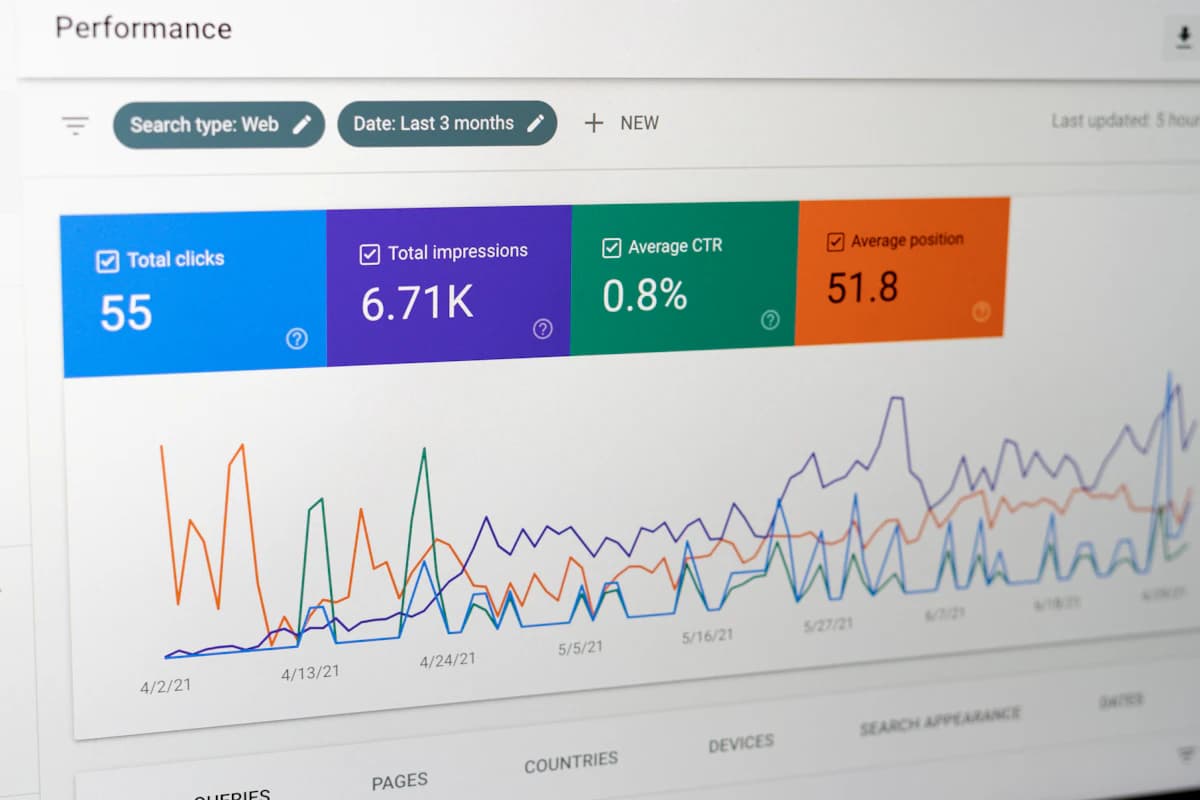
Learn how AI SEO ranking strategies help you outrank competitors in 2026. Discover keyword research, content optimization, and algorithm adaptation powered by machine learning.
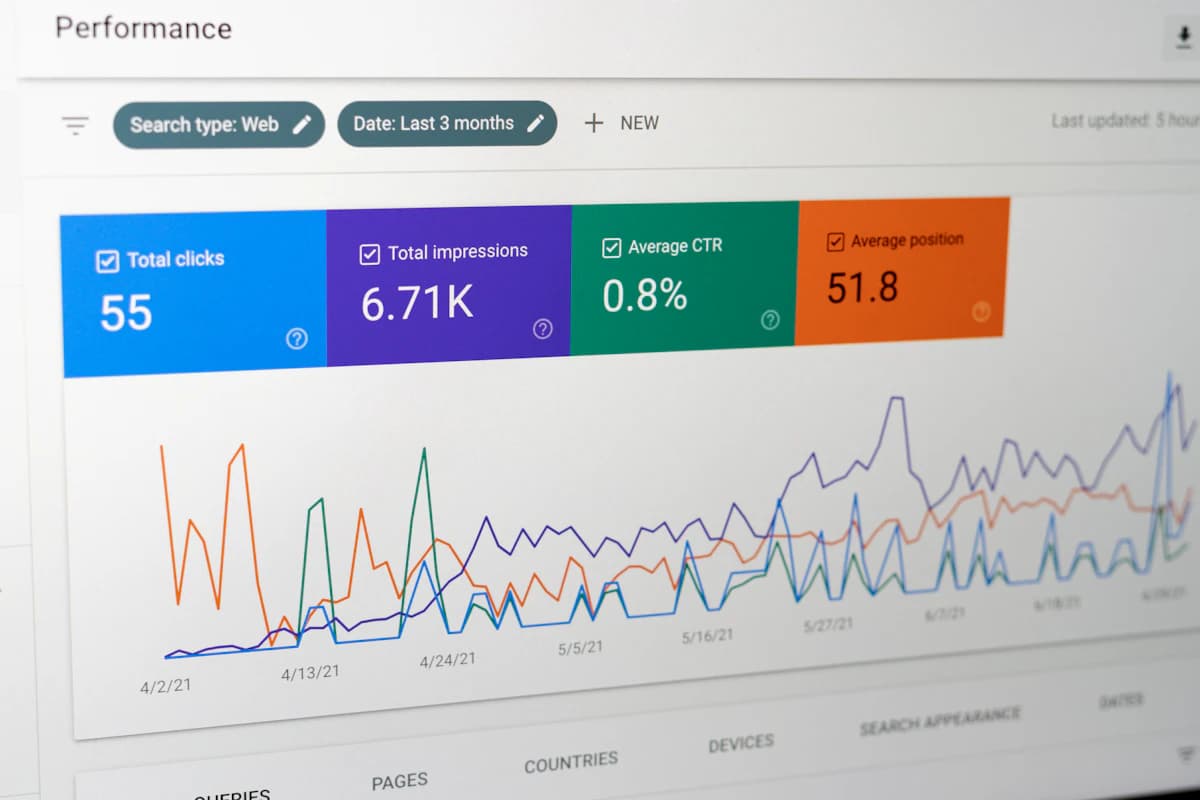
Master AI blog performance metrics in 2026. Track traffic, engagement, conversions, and AI-specific metrics to optimize your content strategy and ROI.

Build an SEO blog for consultants that attracts inbound leads and positions you as an expert using AI-powered content creation in 2026.
Share article