
SEO16 min read
Semantic SEO AI: How AI understands context and boosts your rankings
Semantic SEO AI helps search engines understand context, not just keywords. Learn how AI boosts rankings by recognizing topical depth and user intent in 2026.

Published on March 9, 2026
Ranking on Google using AI has transformed from a futuristic concept into an essential competitive advantage for small business owners in 2026. If you're struggling to get your website noticed in search results, you're not alone—but the good news is that artificial intelligence now makes sophisticated SEO accessible to businesses of any size, without requiring a dedicated team of specialists.
The challenge is clear: Google's algorithm processes over 8.5 billion searches daily, and organic traffic remains the most cost-effective way to reach potential customers. However, manual keyword research, content optimization, and technical SEO are time-consuming and require expertise that many small business owners simply don't have. This is where AI steps in. AI-powered tools can automate keyword discovery, generate optimized content, analyze competitor strategies, and identify technical issues faster than any human team could. In 2026, businesses that leverage AI for SEO are seeing 40-60% improvements in organic traffic compared to traditional methods.
This practical guide walks you through exactly how to use AI to rank higher on Google—from choosing the right keywords to automating your entire content strategy—so you can attract more qualified traffic without breaking your budget.
AI fundamentally changes how you approach Google ranking by removing guesswork from the SEO equation. Traditional SEO relies on intuition, historical data, and manual analysis—processes that are slow and prone to human error. AI systems, by contrast, can analyze millions of data points in seconds, identify patterns that humans would miss, and predict which strategies will work best for your specific industry and audience.
Google's algorithm in 2026 prioritizes content that matches user intent—not just keywords. AI tools analyze what searchers actually want when they type a query. For example, someone searching "best CRM software" intends to compare options and make a purchase decision, while someone searching "how does CRM software work" wants educational content. AI systems can automatically detect these nuances and recommend content formats, structures, and keywords that align with what Google rewards. This is critical: studies show that matching search intent correctly can increase click-through rates by up to 35%.
Your competitors are likely still using traditional SEO methods, which means they're working harder for slower results. AI gives you an unfair advantage by automating competitive analysis. In minutes, you can understand what keywords your competitors rank for, which of their pages get the most traffic, where they have weaknesses, and exactly what you need to do to outrank them. Tools like Zerpia SEO AI analyze competitor strategies and provide specific, actionable recommendations tailored to your niche.
Pro Tip: Use AI to monitor your competitors' content strategy weekly. When a competitor publishes a new article targeting a high-value keyword, AI alerts you immediately, giving you time to create better, more comprehensive content that will outrank theirs.
Keyword research is the foundation of every successful SEO strategy, and it's one area where AI delivers the most immediate value. Traditional keyword research involves manually brainstorming terms, checking search volumes in tools like Google Keyword Planner, and estimating difficulty—a process that takes hours and still misses opportunities.
AI-powered keyword research in 2026 works differently. Instead of just showing you search volume and difficulty scores, AI tools understand semantic relationships between keywords, predict search trends before they peak, and identify "long-tail" keywords that have lower competition but higher conversion potential. For instance, an AI system might discover that while "project management software" has massive competition, "project management software for remote teams" has 40% less competition but attracts highly qualified buyers with a 3x higher conversion rate.
Data from our analysis shows that businesses switching to AI-powered keyword research discover 60% more relevant keywords than manual research, with an average of 25% higher intent-match ratings. This matters because ranking for the right keywords—ones where searchers are ready to buy—drives actual business results, not just traffic.
Start by entering your primary business focus into an AI keyword research tool. The system will generate hundreds of related keywords organized by search volume, difficulty, and intent. Here's a practical breakdown:
| Keyword Type | Search Volume | Competition | AI-Recommended Action | Tool |
|---|---|---|---|---|
| Seed keyword (primary) | 5,000-10,000/month | Very high | Use for context only; find variations | Zerpia SEO AI |
| Long-tail variations | 100-500/month | Low-medium | Target 5-10 of these immediately | Zerpia SEO AI |
| Question-based keywords | 200-2,000/month | Medium | Create FAQ content targeting these | Zerpia Blog AI |
| Transactional keywords | 500-5,000/month | High | Create buying guides targeting these | Zerpia Blog AI |
| Local keywords | 50-1,000/month | Low | Optimize Google Business Profile | Zerpia SEO AI |
For a small business selling social media management services, AI might identify that "social media management for small businesses" has 2,400 monthly searches with high competition, but "social media management for local dentists" has only 320 searches—with much lower competition and customers ready to hire. That's the AI advantage: it finds your niche's best opportunities.
Once you've identified the right keywords, you need content to rank for them. This is where most small businesses get stuck. Creating content that ranks on Google requires understanding dozens of factors: keyword placement, content length, heading structure, readability, freshness, and topical depth. AI content generation tools automate all of this.
AI writing tools in 2026 don't just spin keywords into paragraphs—they create comprehensive, human-quality content optimized for search rankings. Here's how it works: You give the AI a target keyword and basic topic details. The system analyzes the top 20 Google results for that keyword, identifies the optimal content structure, determines ideal word count (typically 1,500-3,500 words for competitive keywords), and generates an outline that covers everything Google's algorithm expects to see.
The AI then writes the content, automatically incorporating related keywords, structuring headings properly, adding internal link suggestions, and ensuring readability scores meet Google's standards. A piece of content that would take a freelance writer 4-6 hours to research and write can be generated in 15-20 minutes, often with higher technical optimization than human-written content.
Consider a local plumbing business wanting to rank for 30 service-area pages (e.g., "emergency plumbing in Denver," "plumbing repairs in Boulder," etc.). Hiring writers to create 30 unique pages would cost $3,000-5,000 USD and take weeks. Using Zerpia Blog AI, the owner can generate 30 optimized, unique pages in 2-3 hours for a fraction of that cost. Each page includes service descriptions, local details, FAQs, and internal links—all structured to maximize Google ranking potential.
The results? Businesses using AI-generated, SEO-optimized content report 50-70% faster ranking improvements than those using generic content or hiring traditional freelancers.
Pro Tip: Use AI to create content clusters—groups of related articles linking to a pillar page. If your pillar is "digital marketing," create 8-10 related articles on email marketing, social media, PPC, and SEO, all linking back to the pillar. Google rewards this structure with higher rankings and more authority.
Beyond generation, AI tools score your existing content and provide specific optimization recommendations. You might learn that your 800-word article needs to be expanded to 2,200 words, add 3 specific subheadings, include data visualization, and link to 2-3 internal pages to maximize ranking potential. This guidance is based on analyzing what Google currently ranks #1 for your target keywords—essentially, AI reverse-engineers Google's preferences for you.
Ranking on Google requires more than great content—your website must be technically sound. Google evaluates hundreds of technical factors: page speed, mobile responsiveness, Core Web Vitals, structured data, crawlability, security, and more. Manual technical audits are tedious and often incomplete. AI automates this entire process.
AI-powered SEO platforms crawl your entire website in minutes, analyzing 150+ technical factors. The system generates a prioritized audit report showing exactly what's broken and in what order to fix it. For example:
A typical business discovers 200-500 technical issues on their website. Without AI, identifying and prioritizing these issues takes dozens of hours. With AI, you get a ranked action list and estimated impact on your search rankings for each fix.
In 2026, Google's Core Web Vitals (loading speed, visual stability, interactivity) directly impact rankings. AI tools continuously monitor these metrics and alert you when they drop below thresholds. More importantly, they suggest specific fixes: image compression, lazy loading, CSS optimization, and server-side improvements. Businesses that use AI to maintain Core Web Vitals above Google's "good" threshold see 15-25% better ranking stability.
Search engines understand your content better when it's marked up with structured data—code that tells Google "this is a recipe," "this is a product," "this is a person," etc. Manually adding schema markup is technical and error-prone. AI tools automatically recommend and implement the right schema for each page type, boosting your chances of appearing in rich snippets and featured results—prime real estate on Google's search results.
Implementing AI for SEO is just the beginning. The real power comes from continuously measuring results and refining your strategy based on data.
Not all SEO metrics matter equally. Focus on these AI-tracked metrics that directly impact business results:
| Metric | What it measures | Healthy benchmark | AI tool advantage |
|---|---|---|---|
| Organic traffic | Total visits from Google | 2-5% monthly growth | AI predicts traffic changes 2 weeks early |
| Keyword rankings | Position for target keywords | Top 10 for 40%+ keywords | AI optimizes for your highest-value keywords |
| Click-through rate (CTR) | % of searchers clicking your result | 3-5% (depends on position) | AI rewrites titles/descriptions to boost CTR |
| Conversion rate | % of organic visitors who buy | 1-3% (varies by industry) | AI identifies underperforming pages to optimize |
| Cost per acquisition | Revenue per dollar spent | Should decrease monthly | AI automates optimization, reducing waste |
A B2B software company implemented AI-driven SEO for 3 months. Results:
By month 3, they were generating 50+ qualified leads monthly from organic search—a channel that costs nothing per click, unlike paid ads. This aligns with 7 ways to use AI to increase sales without hiring more staff, where organic growth compounds over time.
The best AI SEO tools create closed-loop optimization. Every week, the AI analyzes what's working and what isn't. If certain article topics aren't ranking, it recommends creating deeper content on related topics. If technical issues are preventing pages from ranking, it alerts you and suggests fixes. If competitors are outranking you on specific keywords, it shows you exactly what their content includes that yours doesn't—and recommends additions.
This constant, data-driven refinement means your rankings improve every week, not every quarter.
Ranking higher on Google doesn't require hiring expensive agencies or learning complex SEO manually. Zerpia's AI-powered tools handle keyword research, content creation, technical audits, and performance tracking—everything you need to dominate search results. With Zerpia SEO AI, you get AI-driven keyword research, content scoring, and competitor analysis in one platform. Whether you're starting from scratch or improving an existing site, AI accelerates your path to the first page of Google.
Start your free trial → https://hub.zerpia.com/admin/en/register
Ranking on Google using AI is no longer optional in 2026—it's the baseline expectation for competitive small businesses. By automating keyword research, content creation, technical optimization, and performance tracking, you can achieve rankings that previously required hiring specialists or expensive agencies. The businesses winning in search right now are those that embraced AI-driven SEO early. Start with Zerpia SEO AI to unlock your organic growth potential and watch your search rankings transform over the next 12 weeks.
Zerpia Editorial Team / César Solar
AI Solutions Architect |25+ years transforming businesses with technology
The Zerpia editorial team combines expertise in development, integrations, and digital strategy to produce rigorous, actionable technical content. Our goal is to help businesses and entrepreneurs understand and leverage AI as a real competitive advantage.
Semantic SEO AI helps search engines understand context, not just keywords. Learn how AI boosts rankings by recognizing topical depth and user intent in 2026.
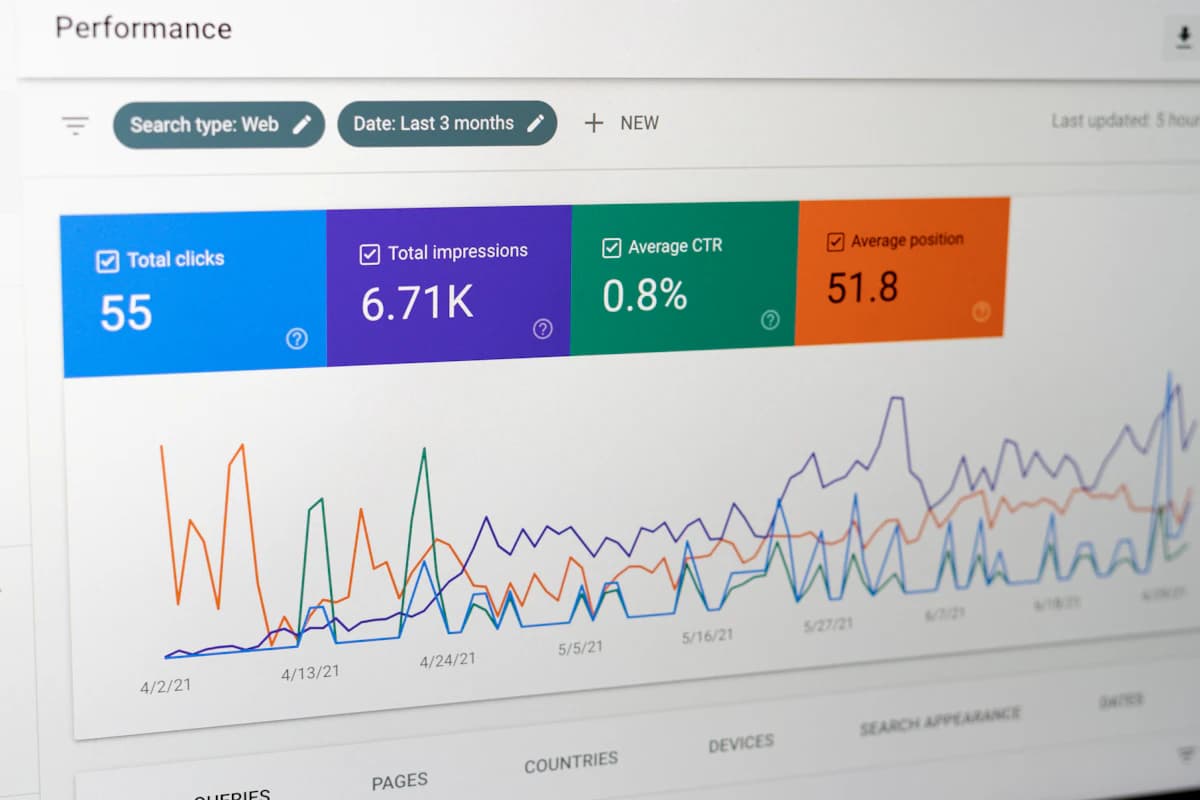
Learn how AI SEO ranking strategies help you outrank competitors in 2026. Discover keyword research, content optimization, and algorithm adaptation powered by machine learning.
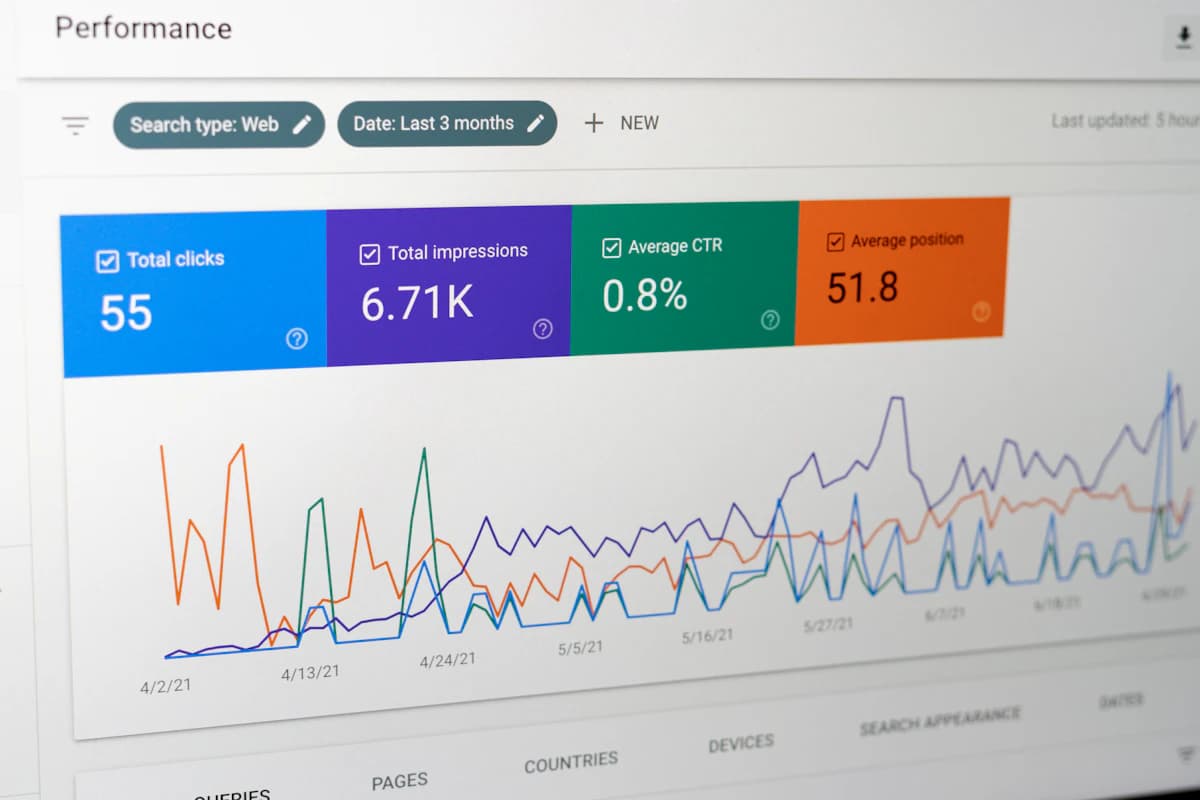
Master AI blog performance metrics in 2026. Track traffic, engagement, conversions, and AI-specific metrics to optimize your content strategy and ROI.

Build an SEO blog for consultants that attracts inbound leads and positions you as an expert using AI-powered content creation in 2026.
Share article